Ongoing topic · Compiled October 5, 2026
How personal AI fits into daily life: dots, Muse, Grok Bot and Instinct
From interview notes and packing lists to cloud workspaces, pocket hardware and messages, see how four personal agents take on a task and keep its context moving.
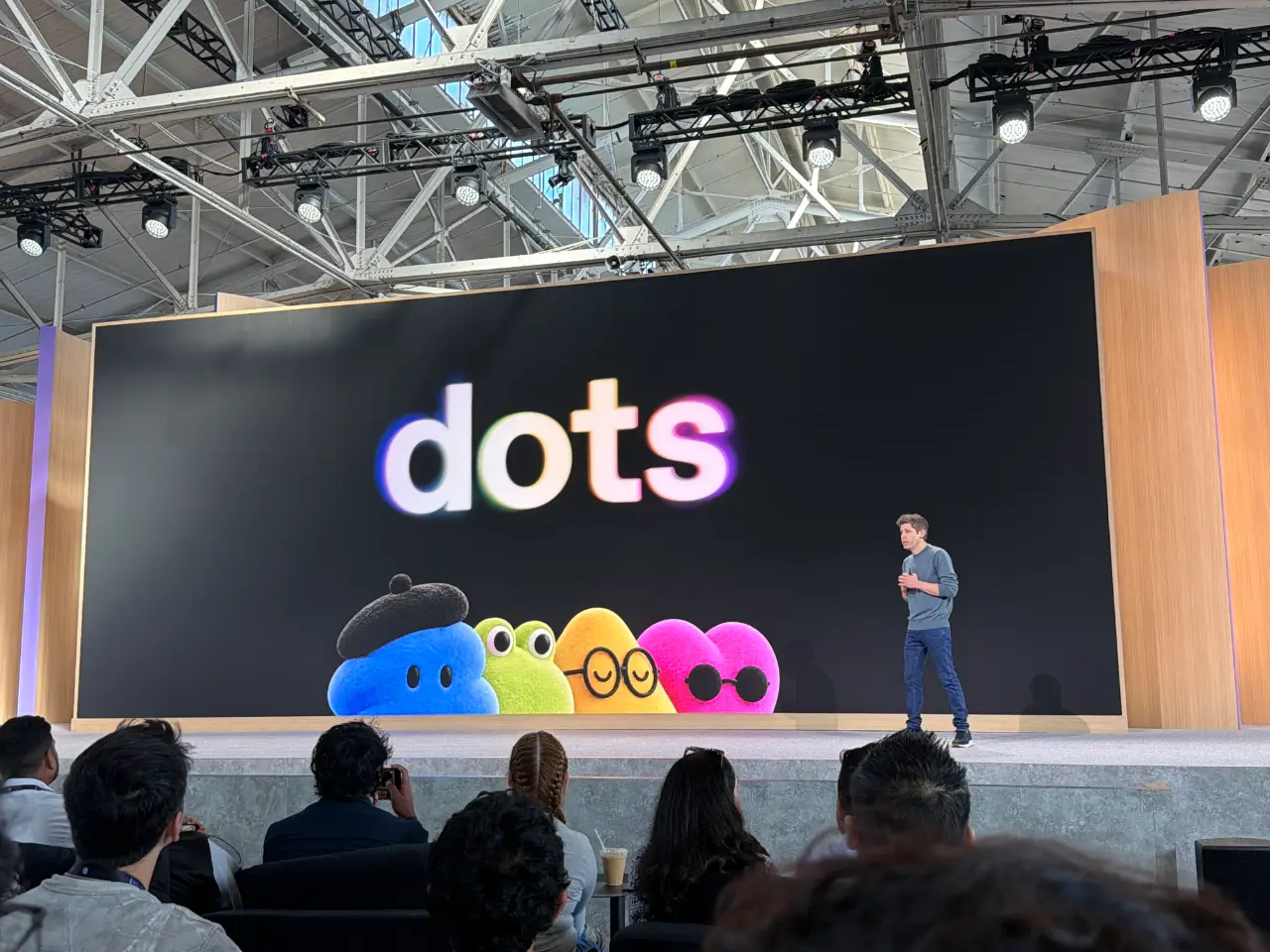
01A change worth following together中文
From answering a question to carrying unfinished work forward
Can an interview transcript become clips, show notes and social copy, with later edits carried across the set? Can school notices turn into a family calendar and a supplies list? Can recurring research and email preparation continue after one handoff? dots, Muse, Grok Bot and Instinct belong in one view because each explores assistance that keeps context, enters existing tools and carries work forward.
OpenAI dots connects Astra to a cloud computer and ongoing tasks. Meta Muse produces plans and checklists while extending toward glasses and Charm. Grok Bot gives recurring work a role and cloud workspace. Instinct uses messages and calls for everyday requests. Their interfaces make delegation feel familiar, while the work they emphasize and the outputs they leave differ.
This topic starts with official examples and outputs, then connects firsthand accounts and later projects, distinguishing software characters from device interfaces. The table maps uses and entry points; task records explain how well they work.
October 5 correction: dots here means the ongoing assistant OpenAI introduced at DevDay. The initial version used material about an unrelated iPhone app with a similar name; it has been replaced.
| Dimension | dots · OpenAI | Muse · Meta | Grok Bot | Instinct |
|---|---|---|---|---|
| Example work | Turn a transcript into creator materials and carry revisions forward | Travel plans, school information, shopping and checklists | Research, outreach drafts, team recaps and recurring work | Airport rides, home repairs and dropped threads |
| How to reach it | ChatGPT messages or calls; Slack and Teams can be connected | App, web and WhatsApp; glasses and Charm are later interfaces | Mobile or desktop messages to a Bot with a name and role | Familiar messages and calls |
| Where work happens | Astra and a cloud computer and browser; optional local connection | Muse Spark with a personal Secure VM and browser | A persistent cloud computer, files, browser and connectors | Connected apps and devices provide context for everyday tasks |
| Current access | Eligible Pro, Business Premium and admin-enabled enterprise accounts; create on desktop first | Official U.S. rollout; glasses and Charm details are still to follow | A paid Cursor plan or a linked individual SuperGrok subscription | The site offers messaging entry; regional eligibility is not stated |
Sources and notes
- OpenAI: meet dots ↗Official product and usage documentationAstra, the cloud computer, ongoing work, memory and desktop/mobile continuity.
- Meta Muse announcement ↗Official launch · September 8, updated September 30The personal agent, Secure VM, example uses and U.S. rollout.
- Official Grok Bot documentation ↗Official docs · updated September 21Persistent Bots, cloud workspaces, messaging and access conditions.
- Instinct official site ↗Official product pageMessages, calls and described uses in rides, repairs and follow-ups.
02dots · Carry a job forward中文
From a transcript to a set of materials, then revisions across the set
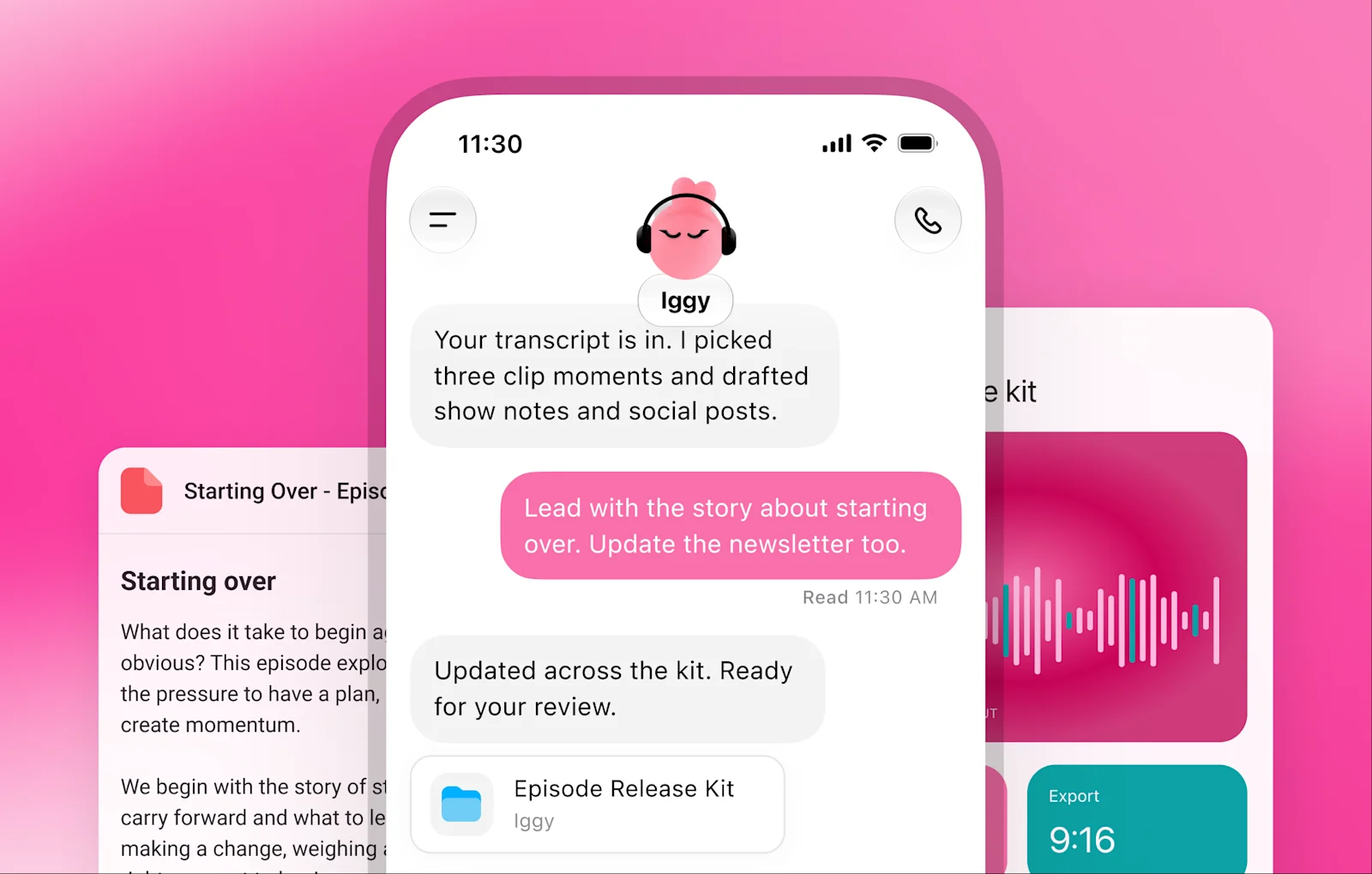
In OpenAI’s creator scenario, Iggy finds moments in an interview transcript, prepares show notes and social posts, then carries feedback across those materials. The official illustration turns one copywriting request into continuing creative work: tone, audience and accepted edits inform the next batch.
Astra, a cloud computer and browser, and relevant conversations, memory and preferences support this continuity. dots can research, work with files and run software. Create it on desktop, then continue in a supported mobile app. Local projects require the connected computer online with ChatGPT open. OpenAI also relays an early tester’s missed invoice being prepared and sent after approval; that is a vendor-reported case.
SLIDEFACTORY’s Mark Nguyen reports roughly five hours of early-October agency work: dots found calendar conflicts, joined Slack, summarized a PDF and, through the agency’s own tool, completed crawls of 44 and 111 pages on two sites. Email and rescheduling remained unfinished, and the first scheduled report had not arrived. The completed outputs and open tasks show what the first day established.
Creer also reports using existing Markdown, JSON and handoff files to resume two local projects and continue edits and tests separately. The DevDay topic follows how saved material becomes a starting point for the next step.
Sources and notes
- OpenAI dots creator scenario ↗Official product illustrationHow transcript moments, show notes and social copy follow feedback.
- OpenAI: Introducing dots ↗Official launch · September 29Astra, cloud computers and the vendor-reported invoice case.
- SLIDEFACTORY: the first day with dots ↗Mark Nguyen’s firsthand account · early OctoberA completed summary and two site crawls, alongside unfinished email, rescheduling and reporting.
- Creer: a first trial with two local projects ↗Firsthand account · October 1Recovering progress from existing files; full artifacts and design conclusions are not public.
03Muse · Useful outputs and portable interfaces中文
Travel, school and packing lists connect to one portable assistant

Muse’s team published an India itinerary, a school information page and a checkable packing list: material from a conversation becomes something to reopen and use. The team also describes extracting dates from school emails and preparing supplies. These official outputs and accounts connect the idea of a personal assistant to recognizable everyday work.
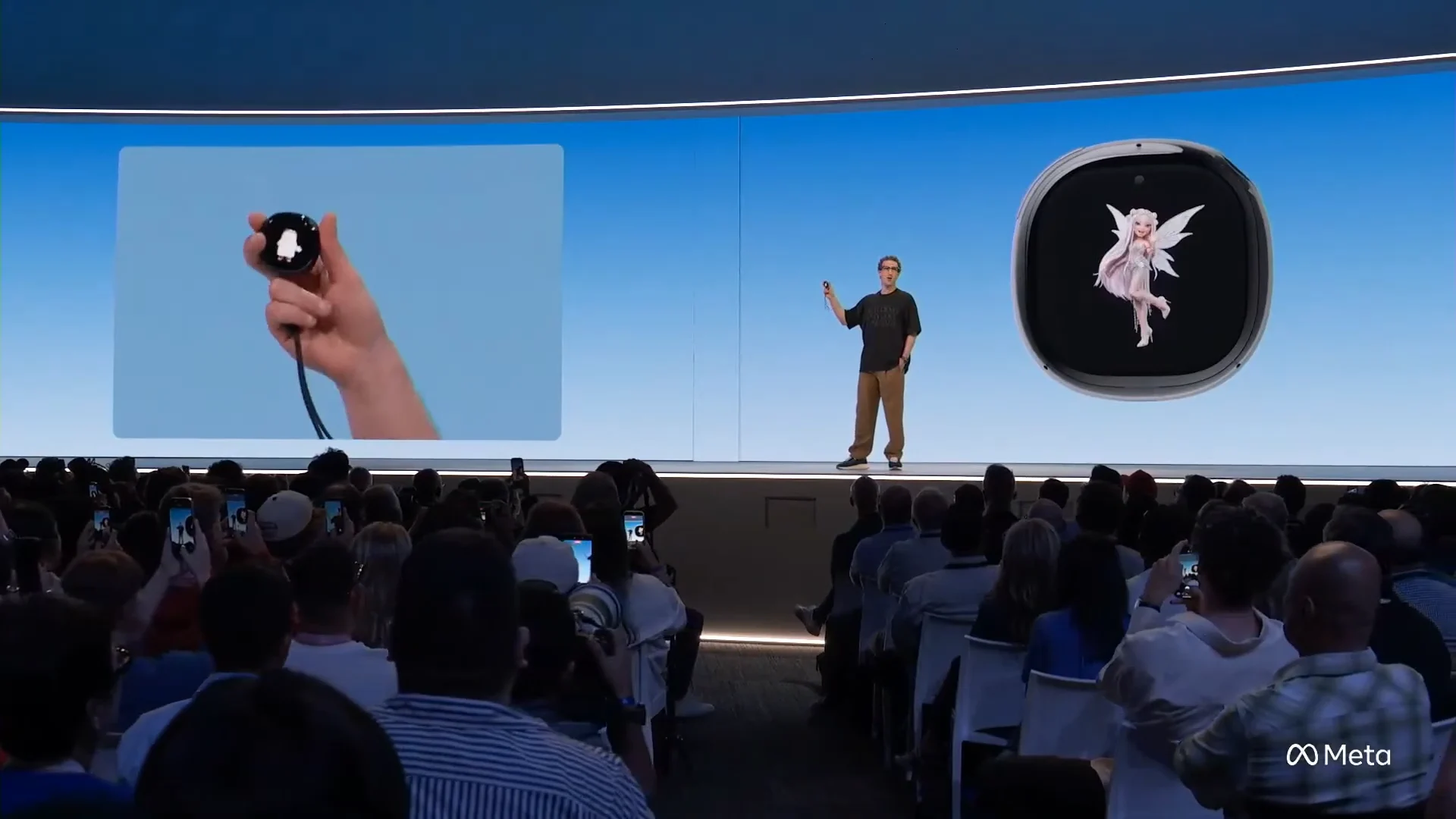
Charm and glasses change how a person hands off a task. At Connect, Mark Zuckerberg held a physical Muse Charm prototype, with its avatar on the screen. Meta also announced Muse for AI glasses: looking at a shelf product, a notice or a school-supplies list could provide context without describing it. The announced Charm prototype is designed around pocket-sized real-time voice interaction; launch details are still to follow.
Software, devices and makers connect here: Muse works in a personal Secure VM and browser; hardware makes the same agent easier to reach. The ESP32 firmware and Linux SDK in Muse Gadgets offer makers routes through buttons, displays and sensors. The next useful evidence is a working project showing why its particular form improves an interaction.
- Continue to Charm, Home Link and maker-built devices
- Explore the team’s outputs and design walkthrough
Sources and notes
- How We Designed Muse ↗Product-team account · September 2026Itinerary, school information, packing checklist and background-work interfaces.
- Meta Connect 2026 recap ↗Official announcement · September 24Charm’s reveal, the glasses interface and delegation from visible context.
- Muse Gadgets open-source repository ↗Meta’s official GitHub repositoryESP32 firmware, Linux SDK and maker-device connections.
04Grok Bot · An ongoing job中文
Give it a role that connects research, drafts and recaps
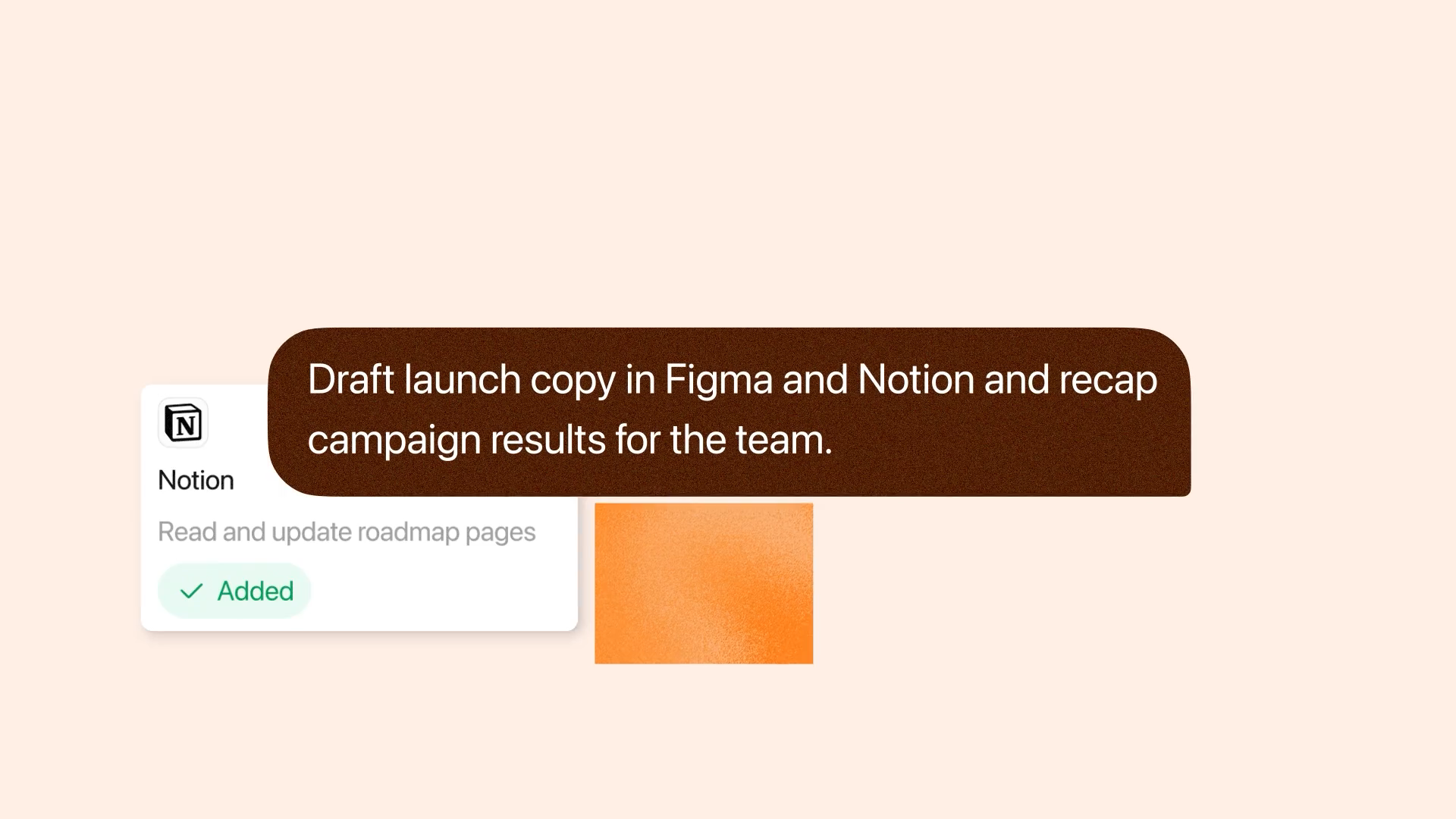
Grok Bot’s official marketing demo combines launch copy in Figma and Notion with a team campaign recap. Another official example starts from a weekly CRM list, adds web and Slack research, and leaves outreach drafts for review. The role lasts beyond one question, with material and outputs in existing work tools.
Give a Bot a name and responsibility, then message it from phone or desktop. It works with a persistent cloud computer, files, browser and connectors. Official documentation says cloud work can continue after the laptop closes, and Bots can divide work. A weekly job can therefore retain material, methods and corrections across runs.
James Swierczewski’s outreach account gives a concrete process: the Bot proposed a list, contact research, email drafts and a tracker, with final sending left to him. When tracker files were invisible, it moved records and drafts into chat. The account makes output visibility tangible. Grok Companions emphasizes character and voice conversation; this chapter follows the work-focused Grok Bot.
Sources and notes
- Grok Bot official documentation ↗Official docs · updated September 21Cloud computers, roles, memory, routines and outputs.
- Official Grok Team Bots marketing demo ↗Official demo · September 28The task card combining launch copy, Figma/Notion and a team recap.
- An early real-task test of Grok Bot ↗Firsthand account · August 12One outreach workflow, draft handoff and an invisible-file issue.
- Grok Companions FAQ ↗SpaceXAI official helpProduct description of character and voice companionship.
05Instinct · Ask for help in a familiar way中文
Hand off a ride or a home repair by message or phone
Instinct’s official examples are familiar: arranging an airport ride, booking a handyman or following up on a dropped thread. Its interfaces are messages and calls, with an emphasis on understanding current work and personal priorities. These product descriptions make the intended everyday situations clear.
It connects relevant context from email, messages, screen, audio, location and devices, then uses a phone and computer to pursue the task. It may initiate a message or call. Familiar communication becomes a place for delegation and follow-up. Later experience can show whether an agreement survives and whether the assistant returns at the useful moment.
The public page does not state regional eligibility, and available work depends on connected services. For bookings or contacting others, establish who gives the final confirmation. Instinct’s terms also require a separate request to delete indexed information after disconnecting a service. These conditions affect ongoing use.
Sources and notes
- Instinct official site ↗Official product page · checked October 5Airport rides, handyman bookings, dropped threads and messages/calls.
- Instinct Terms of Service ↗Official terms · checked October 5Connected services, delegated actions and deletion of indexed information.
- Instinct external teardown ↗Independent external observation · verified September 20Public observations about runtime, messaging and memory.
06Firsthand accounts make the change concrete中文
How far did shopping, project handoffs and outreach actually get?
A TechRadar writer asked Muse to find shorts: it requested a size, returned options and a discount, then asked for an Amazon login before purchase. In a separate savings challenge, the writer reported about $35 saved against a promoted $1,000 target. The accounts show steps from options toward action, while keeping one person’s result distinct from general performance.
dots’ project accounts and Grok Bot’s outreach job raise another question: once work resumes, does it return somewhere the person can inspect and continue? The former has completed summaries and crawls alongside unfinished email and reporting; the latter moved invisible files into chat. The concrete observations are completed steps, usable outputs and who takes over next.
Personal Agent Bench adds external teardowns and task records for Muse and Instinct. Its first-round results use different task sets and sample sizes, so they are not a head-to-head ranking; the team also discloses that it builds agent software. The material helps ask better questions about runtime, memory and outcomes, ahead of future matched-task comparisons.
Sources and notes
BitShovel organized official materials and these public accounts without testing all four on one task. Personal Agent Bench’s September 22 first-round report gives Muse 19% of 90 tasks (95% interval 13–25%) and Instinct 43% of 159 (36–50%). Different tasks and incompletely published batches make them separate records rather than a ranking.
- Muse shorts-shopping trial ↗TechRadar firsthand account · September 14Size, options, discount and account connection before purchase.
- Muse savings trial ↗TechRadar firsthand account · September 24The writer’s reported savings and the promoted challenge target.
- SLIDEFACTORY: the first day with dots ↗Agency author’s actual task accountCompleted and unfinished work recorded separately.
- An early real-task test of Grok Bot ↗Firsthand accountOutreach drafts and visible delivery.
- Personal Agent Bench: task records and teardowns ↗External evaluation · sample and conflict disclosureDifferent task-set results and runtime observations for Muse and Instinct.
- Scoring method and disclosure ↗Method noteObservation dimensions, sample limits and comparison conditions.
07Connect it to your own work中文
Use a familiar job to judge whether an ongoing handoff helps
Start with a familiar job whose finish line you know. Interview and social-material revisions explain dots’ creative continuity; family travel, school notices and supplies explain Muse’s everyday outputs; weekly research, drafts and recaps explain Grok Bot’s ongoing role; coordinating rides or repairs by message explains Instinct’s interface. These scenarios help frame a choice, then your own results test it.
Specify the output: a checklist, review-ready drafts or changes in the original tool. Watch whether accepted requirements survive, how new material changes the result, and how it returns when blocked. Keep a clear confirmation point for payment, bookings and external sending. Inspecting results and correcting memory should be as easy as handing off work.
This topic will continue with artifacts, longer use and matched-task comparisons: revisions across dots’ creative materials, continuity through Muse glasses and Charm, visible outputs from Grok Bot routines, and completed everyday arrangements with Instinct. Those concrete changes will develop the relationships between these four products.
What we are following
08What comes next中文
What we are following
- What actually completes, and what needs a person, when dots maintains recurring tasks, interview materials and cross-device handoffs?
- When will Charm shipping, price and battery details be confirmed? Can glasses and pocket hardware continue the same task?
- Which Grok Bot artifacts, team-sharing steps and long tasks can be inspected under matched conditions?
- When will Instinct airport rides, handyman bookings and follow-ups have a visible real-task account?
- When can the four personal agents be compared using the same public input, versions and connections?