
01
Discovery standard
A real product or app, a clear problem, a verifiable state, and a reason it deserves attention.
PRODUCT DISCOVERY
Each record explains what the product solves, where it stands, why it is worth your time, and which facts still need verification. Selection is based on public sources, a clear state, and an explainable product judgment—not sponsorship or hype—with fit, limits, and primary sources in the full profile.

Ruth Heasman
What it solves
Most mobile games keep interaction in buttons and preset scenes. SpookSeek AR uses the camera, gyroscope, and motion-based aiming to make the player's real space part of the game.
Why it matters
It turns the camera and physical movement into the ghost-hunting action, making a mobile game feel like immediate feedback from the room around you.
Oka Apps (Nanjing Oumi Software Development Co., Ltd.)
What it solves
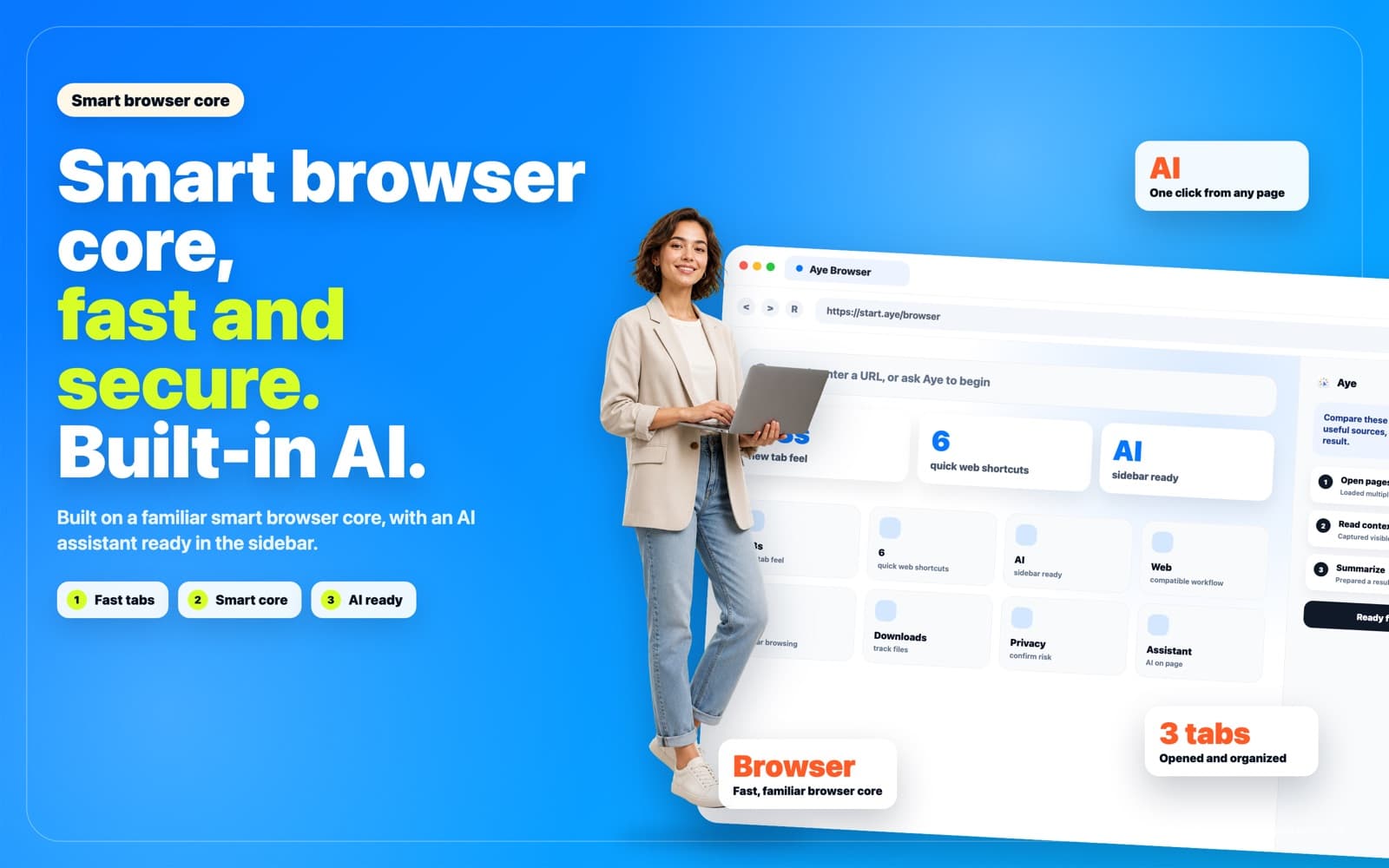
Cross-tab research, organizing findings, drafting replies, and repeated web flows usually require constant context copying and manual navigation. Aye places conversation plus clicking, typing, scrolling, and tab switching inside one Chromium-based browser interface.
Why it matters
Its useful idea is splitting a browser agent into visible steps, progress checks, and human approval points. Oka Apps says it currently uses Kimi 2.5, does not collect AI data on its own servers, and requires user approval for sensitive actions; until public material fully explains page-data paths, logs, and task storage, it still should not touch sensitive accounts.
Uneed publisher julianengel / Julian Engel and Simple Bytes
What it solves
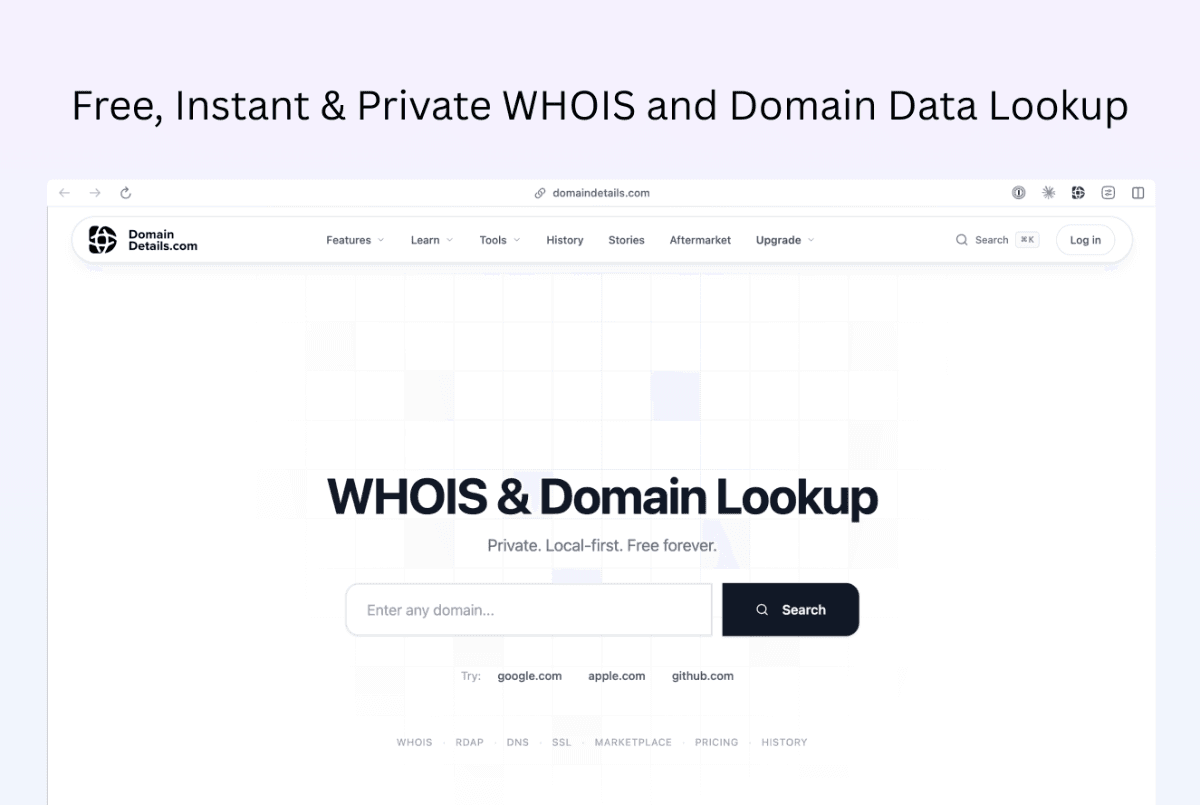
Domain research often means moving among registries, WHOIS/RDAP, DNS, certificates, Wayback, registrar pricing, and several aftermarket venues. Domain Details reduces that fragmentation with a shared search, browser-local history, bulk entry points, and monitoring alerts.
Why it matters
Domain Details brings RDAP/WHOIS, DNS, SSL, TLD, renewal pricing, aftermarket, and history checks into one free research surface, then extends recurring work through browser extensions, MCP, and domain monitoring. All three exact 1200 × 805 maker images show real product UI rather than abstract decoration, but they are launch-era views from 2025; one still labels Afternic as coming soon and cannot establish current status. The central boundary is the scope of 'local-first': ordinary history stays in the browser by default, while registration lookups pass through an independent Cloudflare Worker, marketplace searches reach the operator API, DNS uses external DoH, and monitoring or sync necessarily persists server-side. PostHog, Sentry, error context, and temporary MCP IP logs add their own boundaries. Domain Details is worth discovering, but material domain, price, and certificate decisions should still be checked against registries, registrars, or certificate sources, and each surface's data path should be evaluated instead of treating local-first as fully offline.
Uneed publisher botoi / Savi Business Management LLC
What it solves
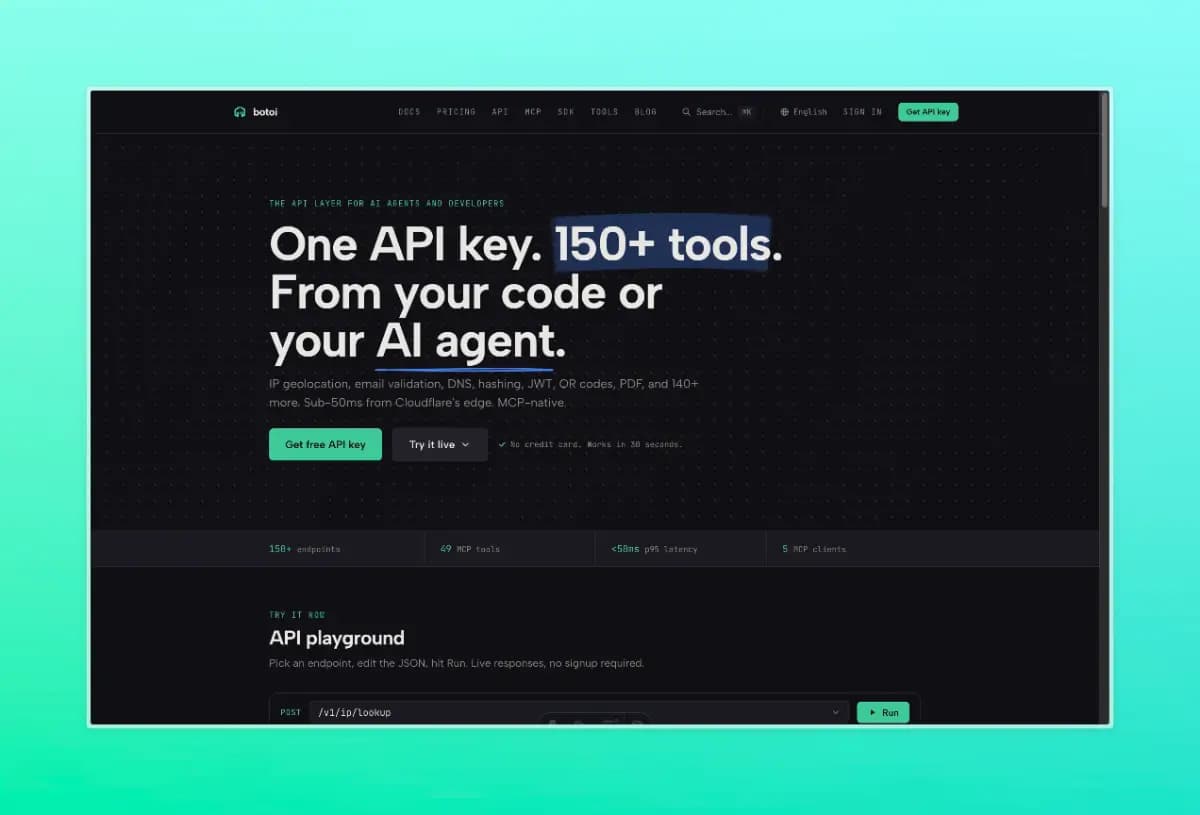
Developers and AI agents often integrate separate libraries or providers for hashing, DNS, conversion, QR, currency, text, and network checks. Botoi tries to reduce that repeated integration through shared authentication, a JSON contract, an SDK, and an MCP manifest.
Why it matters
Botoi puts format conversion, network lookups, security checks, content generation, and storage-style utilities behind one REST API, TypeScript SDK, and remote MCP endpoint. A shared key and response shape can genuinely reduce developer plumbing. Three exact maker images accurately show the home page, MCP configuration, and API Playground instead of substituting abstract branding. But the public surfaces have materially drifted: pages say 44 or 49 MCP tools and 150+ or 190+ APIs, while the live official manifest exposes 207 unique MCP tools and OpenAPI contains 204 paths with 207 operations. Free allowances, entry pricing, and SDK versions also disagree. More importantly, the MCP page broadly calls the tools read-only while the manifest includes state-creating paste and short-URL operations plus click counters. Botoi is worth discovering, but integrations should follow the live manifest, allowlist tools individually, and keep secrets or personal data out until retention boundaries are clarified.
Uneed publisher donaldinos / Duckino s.r.o.
What it solves
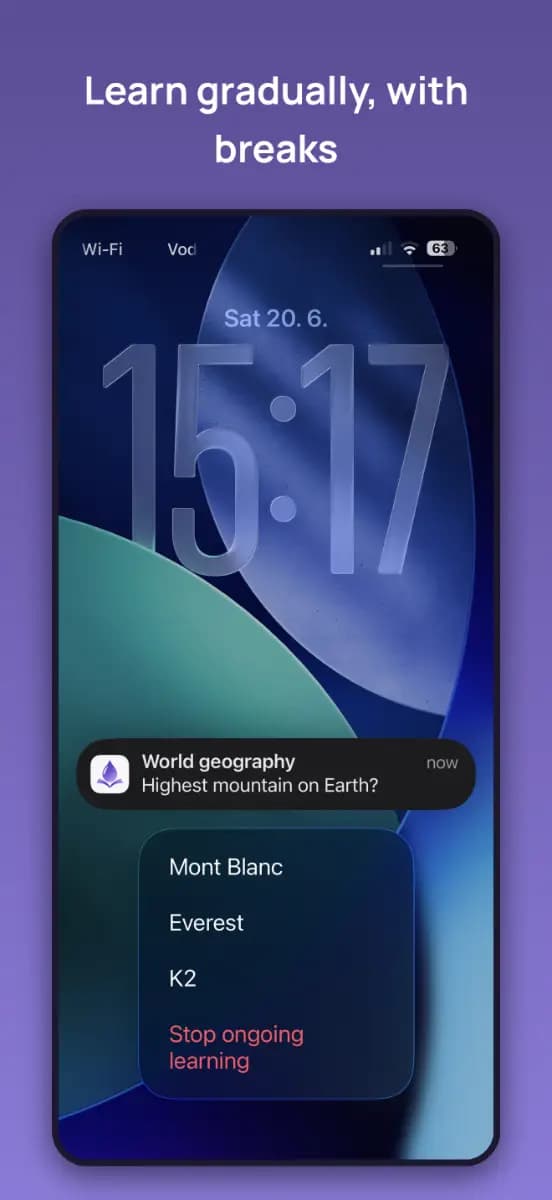
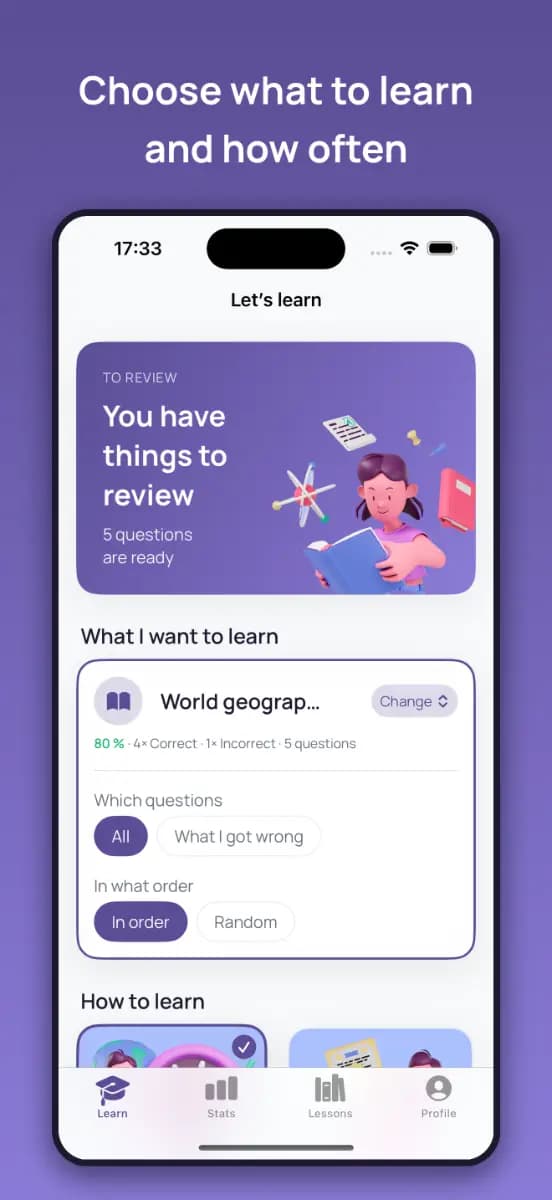
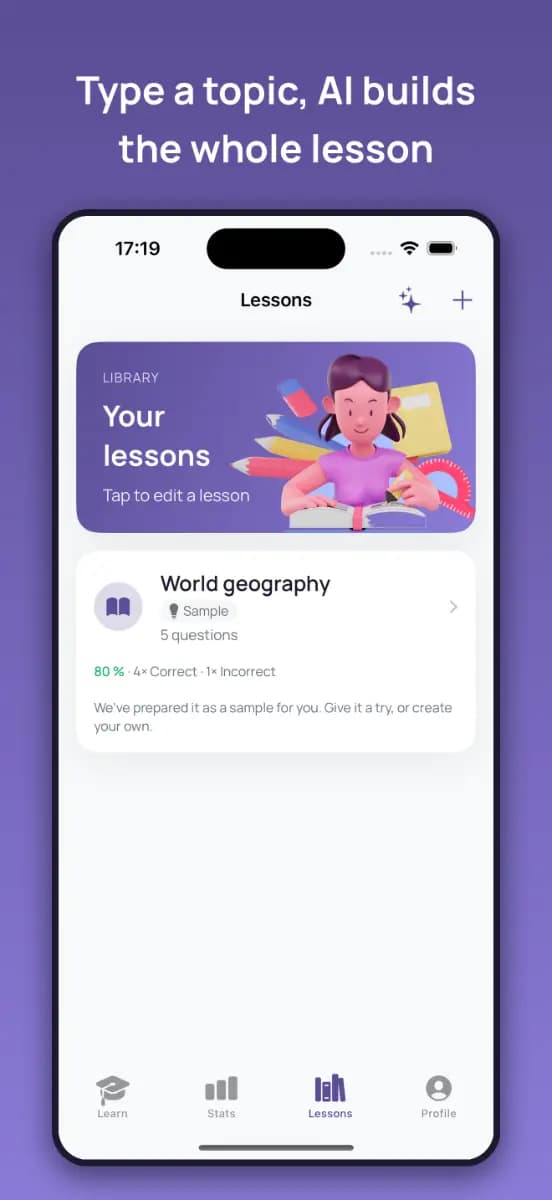
Learning apps often bury review behind a destination users must remember to open. Dropling tries to bring questions to the Lock Screen users already see, then closes the loop with notification pacing, a Live Activity, lesson lists, and answer statistics.
Why it matters
Dropling moves microlearning from 'remember to open the app' to small questions on the Lock Screen: ordinary notifications can arrive gradually, while a Live Activity supports an intensive answering run, with review on iPhone or Apple Watch. The entry-point design is specific and distinctive, and three exact maker images genuinely show answering, review, and lesson screens. But 'safe in your iCloud' applies to lessons, answer history, and progress—not AI generation, where the topic and language pass through an EU server to US-based OpenRouter and Google Gemini. The site also conflicts with its privacy materials on no sign-in versus optional Apple sign-in, and monthly AI limits versus 'unlimited AI generation.' Dropling is worth discovering, but AI lessons should be reviewed as drafts and buyers should confirm the live allowance and subscription periods.
Uneed publisher atacinargenc / the HeimWall team
What it solves
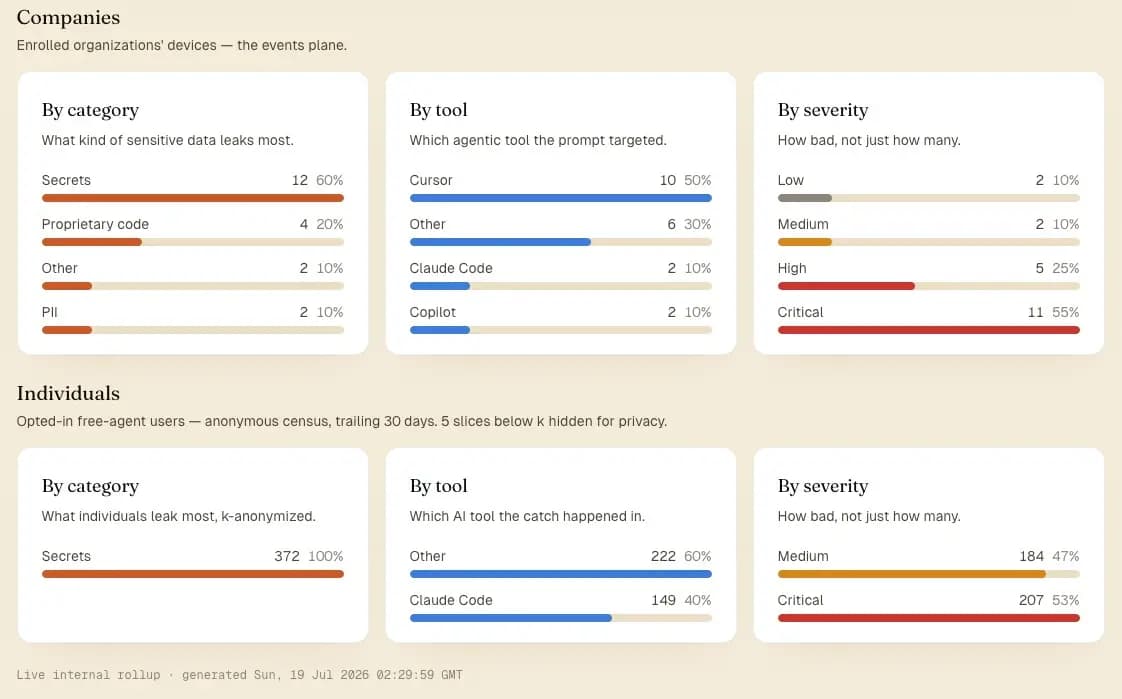
Developers paste `.env` values, logs, customer records, or proprietary code into Cursor, Claude Code, Copilot, and similar tools. Traditional network DLP may not see an app's composer, while vendor dashboards do not provide one cross-tool signal.
Why it matters
The useful idea is not another enterprise monitoring dashboard; it is completing capture, deterministic detection, and redaction on-device, then drawing a clear line between an offline individual mode and an enrolled team mode. The direction is valuable, but current public material mixes shipped behavior, roadmap, and contractual promises: 25+ versus 47 rules, 0.0.5 versus 0.0.6, no proxy versus a local TLS proxy, a running classifier versus 'model pending,' and 'raw prompts never leave' versus an Investigation Mode sealed payload. Treat it as an inspectable early pilot, not independently verified DLP, compliance, or zero-egress assurance. If evaluating it, use an isolated account, fake keys, and network observation, and confirm the installer, permissions, and exit path first.
Uneed publisher sai.baba-396e / Future AGI, Inc. and open-source contributors
What it solves
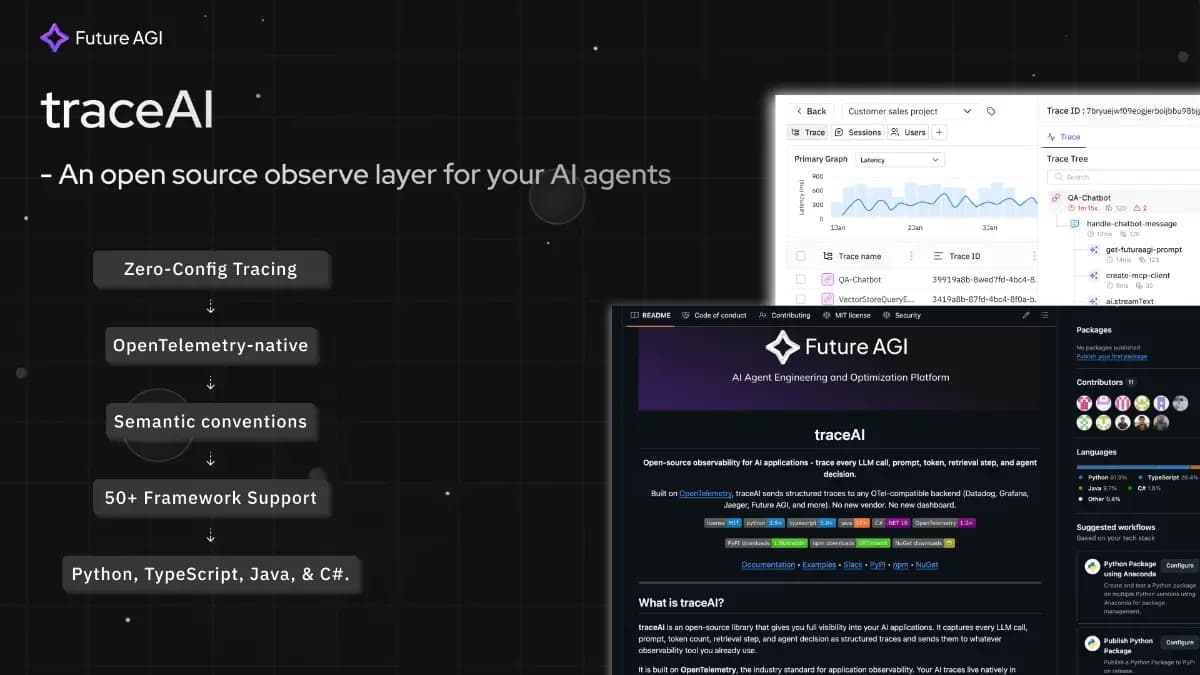
Ordinary HTTP telemetry can show that a request was slow or failed, but not which model call, retrieval result, tool argument, or agent branch caused it. Wiring every framework to a separate observability product creates another data silo and vendor dependency.
Why it matters
The valuable idea is not another AI-monitoring dashboard, but translating model calls, retrievals, tools, and agent steps into OpenTelemetry spans so teams can keep Datadog, Grafana, Jaeger, or another OTLP backend. That decoupling is strong, but the default examples send full prompts, outputs, and error context to Future AGI while privacy flags default off. Before production use, choose the exporter, minimize and redact data first, and verify compatibility package by package for the language actually used.

Regulus K.K.
What it solves
Agent skills, system prompts, MCP configurations, and workflows are scattered across repositories, documentation, and chat history. Before copying them, teams lack a consistent way to assess provenance, permissions, dependencies, target tools, write scope, rollback, and reusable install records.
Why it matters
Its interesting idea is not another prompt directory, but a single agent workflow for discovery, risk disclosure, install planning, dry runs, rollback, and machine-readable evidence. Content hashes can show that bytes have not changed, but cannot replace publisher identity, licensing, or human review.

Arturo Garcia
What it solves
Once several coding agents run in parallel, their execution gains can be erased by polling terminals, reconstructing context, finding sessions waiting for approval, and reconciling overlapping edits. Plain terminal panes can display processes side by side but do not understand each agent's task, state, or change scope.
Why it matters
Its useful idea is not packing more terminals into one window, but putting each agent's task, waiting state, file diff, history, and permissions into one operating layer; Turbo Mode is still an auto-approval system and must not be treated as a security sandbox without independent verification.

Satellite Studio (Duarte Design Studio AB)
What it solves
People may want private local models but still get blocked by model files, quantization choices, memory requirements, and runner setup. Typer provides an immediately usable compact model on Apple-silicon Macs, then recommends a better download for the device and includes limited web search in the same chat interface.
Why it matters
Its strongest idea is not putting an open model on a Mac, but folding model choice, first-run readiness, and hardware-aware upgrades into a consumer workflow so local AI does not require a model administrator.

Henrik Skagerlind Fasth and Peter Thörngren
What it solves
Fashion and commerce teams need large volumes of try-on, visual, and campaign assets, often stitching together separate services and developer interfaces. Lumoo brings batch generation, a node-based workspace, and SDK/API access into one product line.
Why it matters
Lumoo packages the same fashion-content expertise into enterprise-grade Lumoo X, self-serve Lumoo Air, and virtual try-on product Lumoo Fit, showing how one domain workflow can serve different customer sizes.

Andrej Karpathy
What it solves
Restaurant menus often leave diners without a visual reference for unfamiliar dishes. MenuGen uses a menu photo to generate comparable dish references, addressing the concrete step of understanding what to order.
Why it matters
Its most useful lesson is not menu imagery, but the honest account of a prototype that felt 80% done while being closer to 20%.

Sabrine Matos
What it solves
When people try to assess a stranger's safety risk, public records, warnings, and help resources are scattered and difficult to interpret. Plinq tries to put the search, risk levels, and next actions into one consumer-facing path.
Why it matters
It reframes institution-oriented public-record checks as a consumer safety decision flow; the value comes from choosing the problem, not only building fast.
Shalini Ananda
What it solves
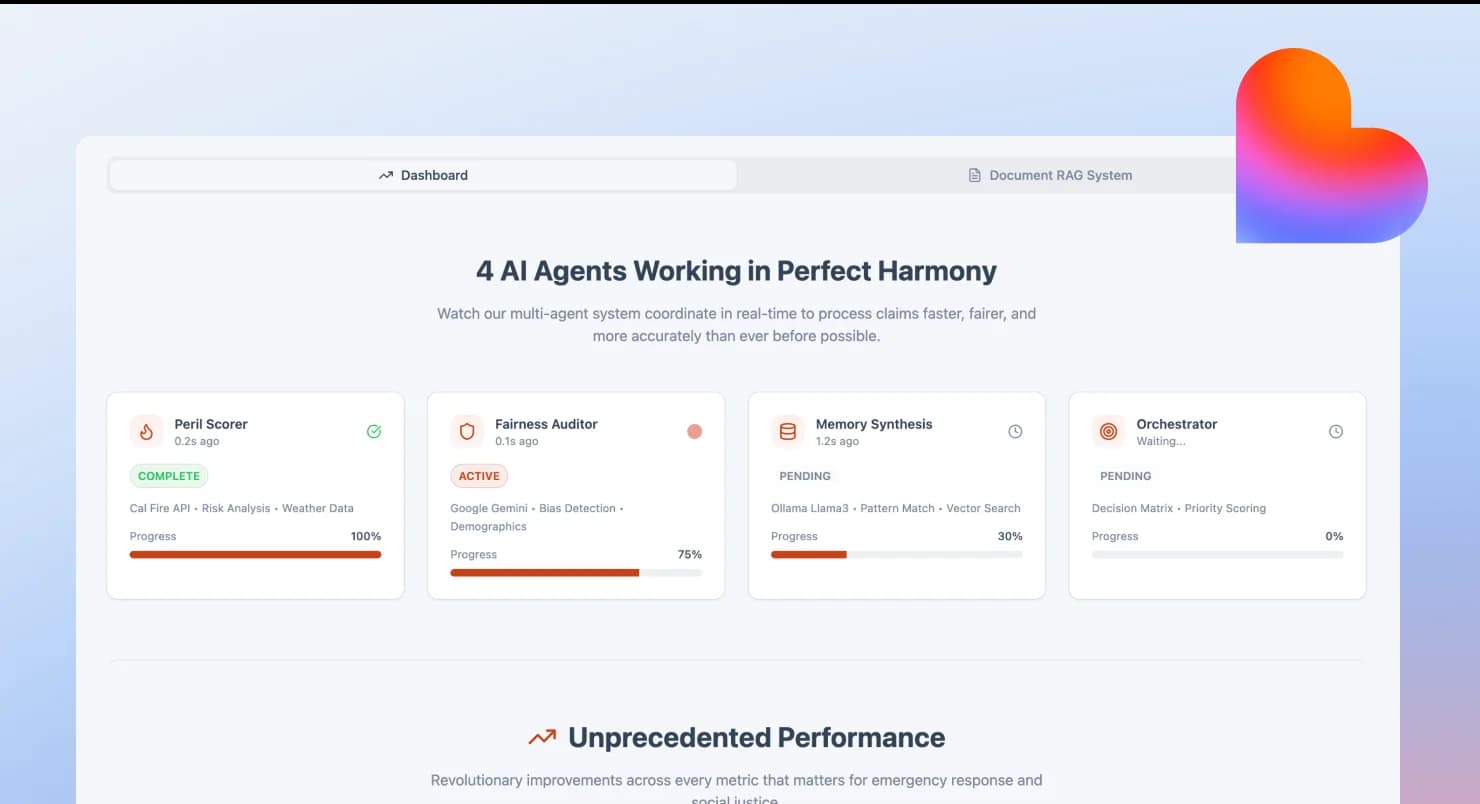
Insurance claims and disaster-risk decisions can scatter fire data, satellite imagery, and bias questions across separate tools, making the basis hard for legal or business teams to review. Fire Fairness Pilot tries to organize those signals into an inspectable aid.
Why it matters
Its breakthrough is turning command-line multi-agent analysis into an interface where legal-aid users can see progress, evidence, and results.
Yannis
What it solves
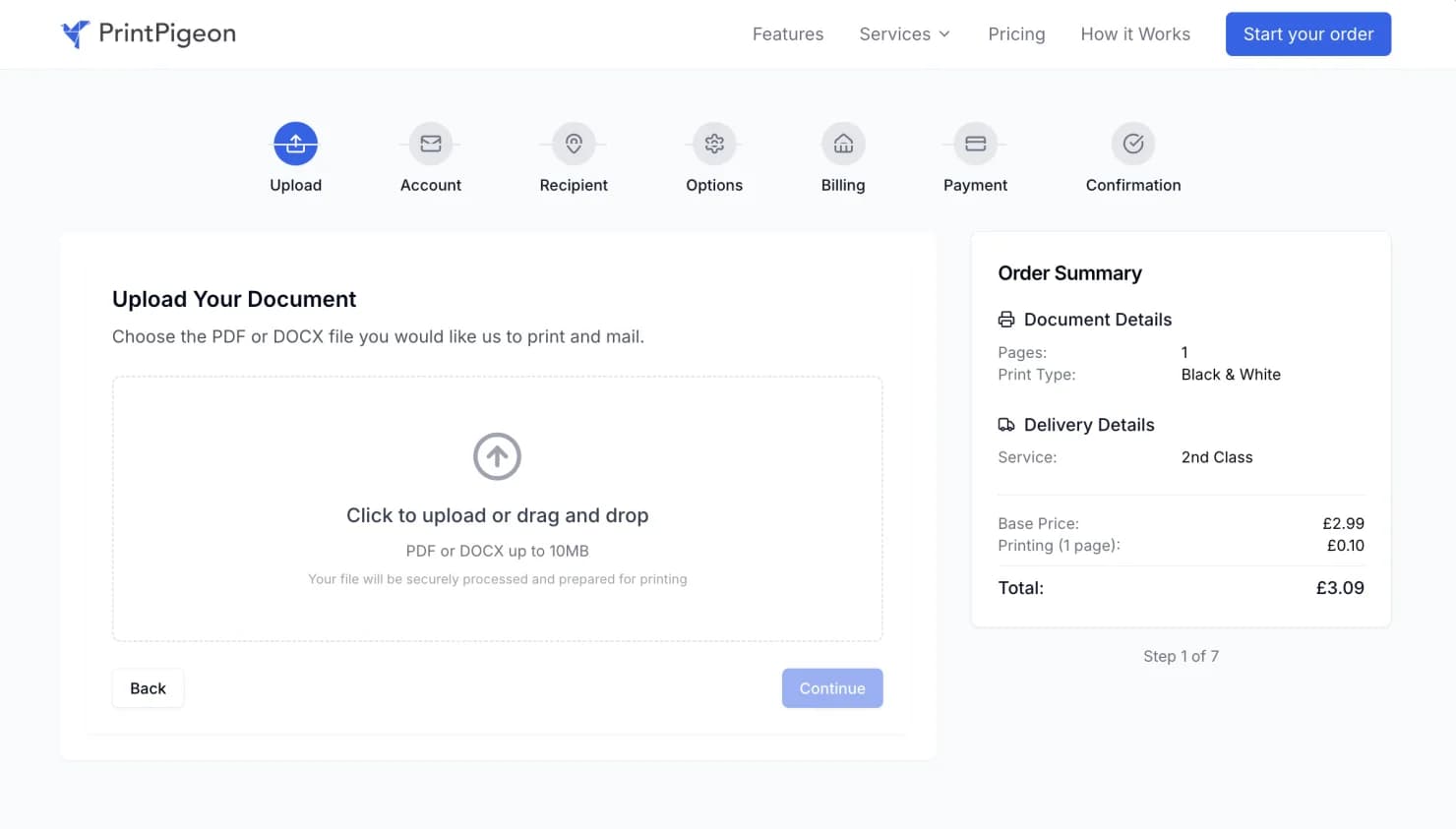
Sending a physical letter to a UK public body still involves addressing, formatting, postage, and delivery steps, leaving a clear gap between online services and physical mail. PrintPigeon tries to compress that workflow into one web entry point.
Why it matters
It turns the narrow problem of mailing a physical letter without a printer into an upload-to-payment-to-fulfillment loop.
Harsh Patel
What it solves
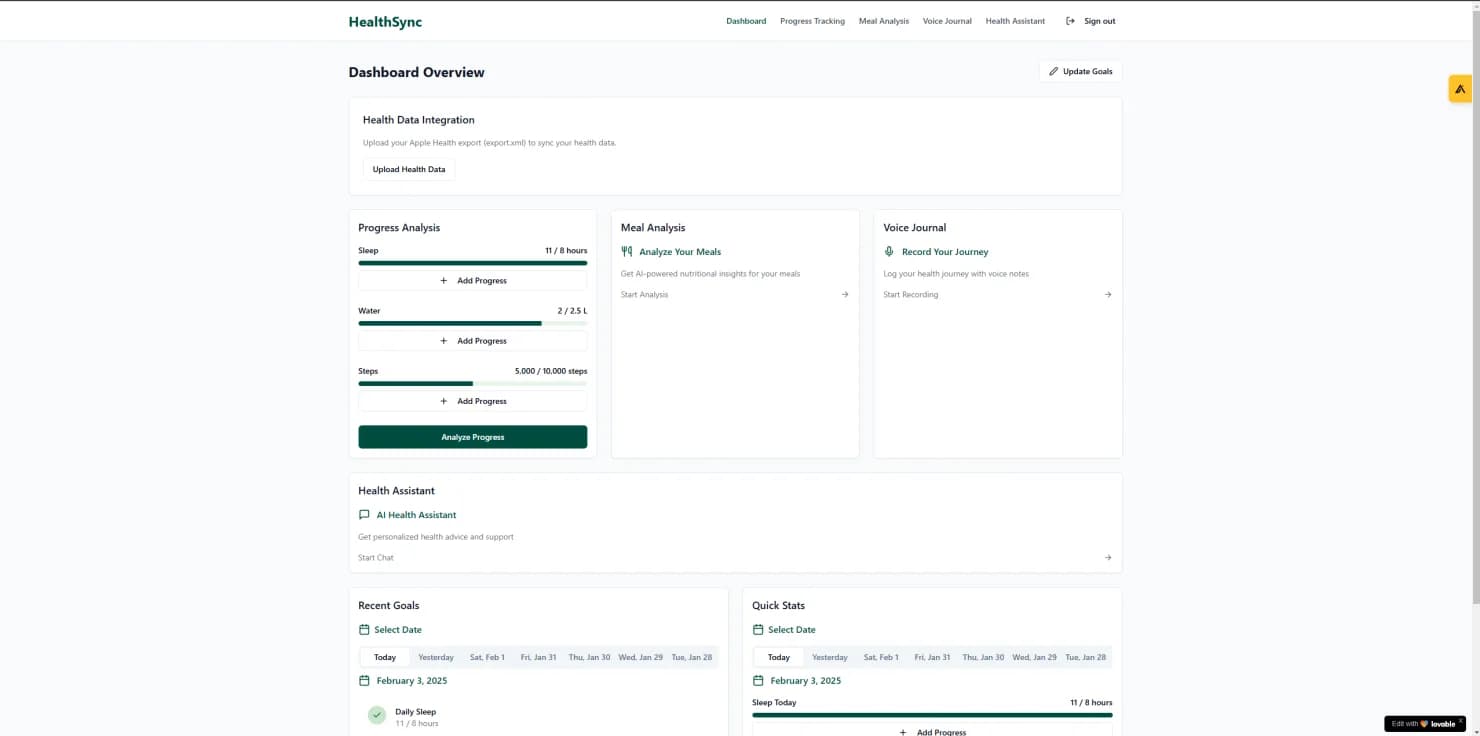
Health data, sleep, water, steps, meal records, and voice notes are often split across devices and apps, making trends and next steps difficult to see together. HealthSync tries to bring those inputs into one dashboard.
Why it matters
It is a strong six-hour hackathon prototype, not a healthcare product with completed clinical, security, or real-device validation.

Pieter Levels
What it solves
Traditional flight simulators often require installation, waiting, and complex controls. Someone who wants a quick flight experience faces high startup cost before reaching the fun, so Fly Pieter puts the entry point directly in a web page.
Why it matters
It turns a heavyweight flight simulator into a social product you can enter from a browser.

Xiao Huaihua
What it solves
When experimenting with several image models, prompts, model APIs, outputs, and versions quickly scatter across tools. Developers lose reproducible working states and struggle to switch between OpenAI and Gemini.
Why it matters
The value is not how much AI wrote, but how documentation, modular scope, and version history made a chaotic project manageable again.

Vibe Coding Learning Community
What it solves
People new to AI-assisted development often do not know which tasks to start with or how to judge their current understanding. This product moves a short assessment and explanation to the front of the learning path.
Why it matters
Instead of leading with a tutorial archive, it identifies the learner's level and connects the result to the next practice step.
01
A real product or app, a clear problem, a verifiable state, and a reason it deserves attention.
02
Every product is organized by problem, state, evidence, and limits, without inflating launch status or presenting a demo as a full release.