
01 / ANALYSIS
Product analysis
- Maturity
- Pilot
- Confidence
- Partial
- Verified
- 2026-07-18
- Commercial relation
- Not sponsored
Problem solved
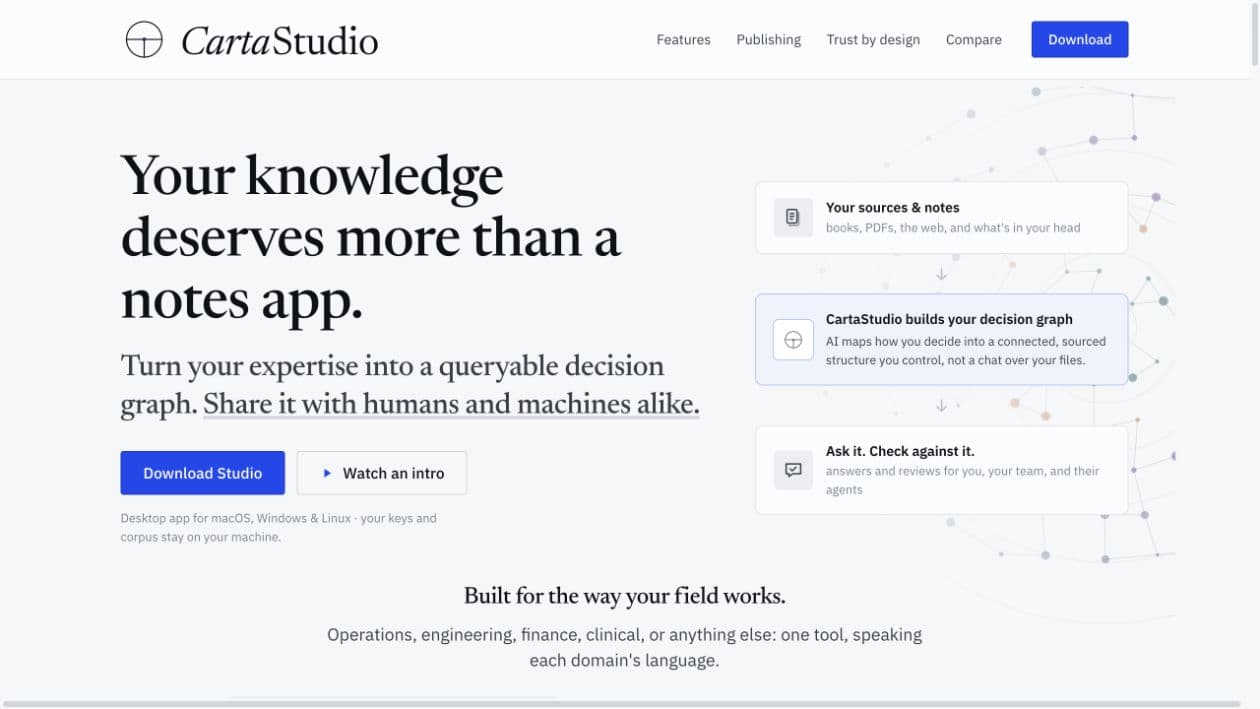
Real decision criteria are scattered across documents, PDFs, web pages, and individual experience. Generic chat and file search struggle to express applicability, exceptions, and rationale. CartaStudio turns that material into typed, scoped, sourced decision graphs stored as Markdown in a user-chosen folder.
Why it was selected
The official site exposes 0.5.4 downloads for macOS, Windows, and Linux and publishes consecutive release notes covering PDF-ingest failures, Windows signing, and web-extraction fixes. The desktop app is described as account-free, able to use the user's Anthropic, OpenAI, or local Ollama setup, and backed by local Markdown. Publishing failures, storage shape, and release boundaries together are more useful than an abstract 'trustworthy AI' claim.
What is genuinely novel
It does not treat retrieval as knowledge: agents propose node drafts and the user decides what to ratify; only ratified nodes can enter a publication. General, organization, and project scopes can override one another while preserving why an exception exists.
Best for
Senior practitioners and product teams encoding domain judgment for people and agents while retaining control of local files
Editorial evaluation
KEEP DISCOVERING
A few more products worth noticing
A small set selected by product shape and profile similarity, with independent verification records.
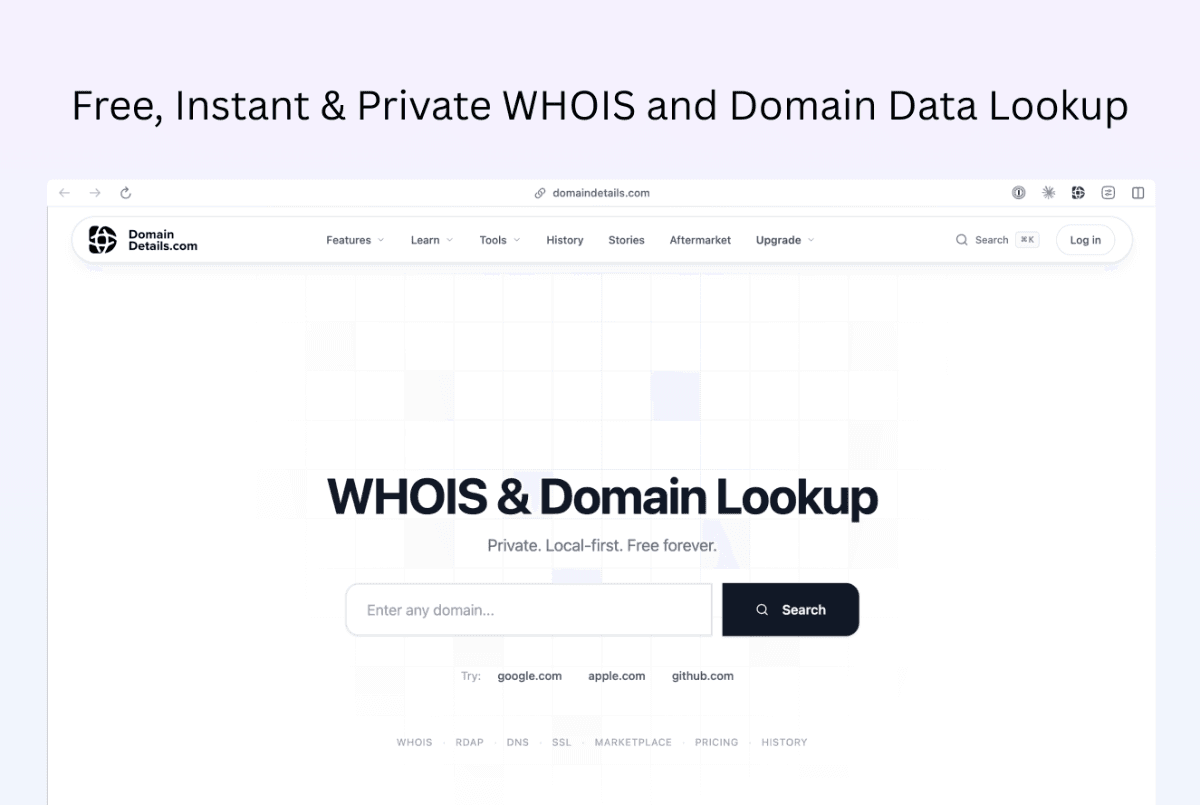
Domain Details
Uneed publisher julianengel / Julian Engel and Simple Bytes
What it solves
Domain research often means moving among registries, WHOIS/RDAP, DNS, certificates, Wayback, registrar pricing, and several aftermarket venues. Domain Details reduces that fragmentation with a shared search, browser-local history, bulk entry points, and monitoring alerts.
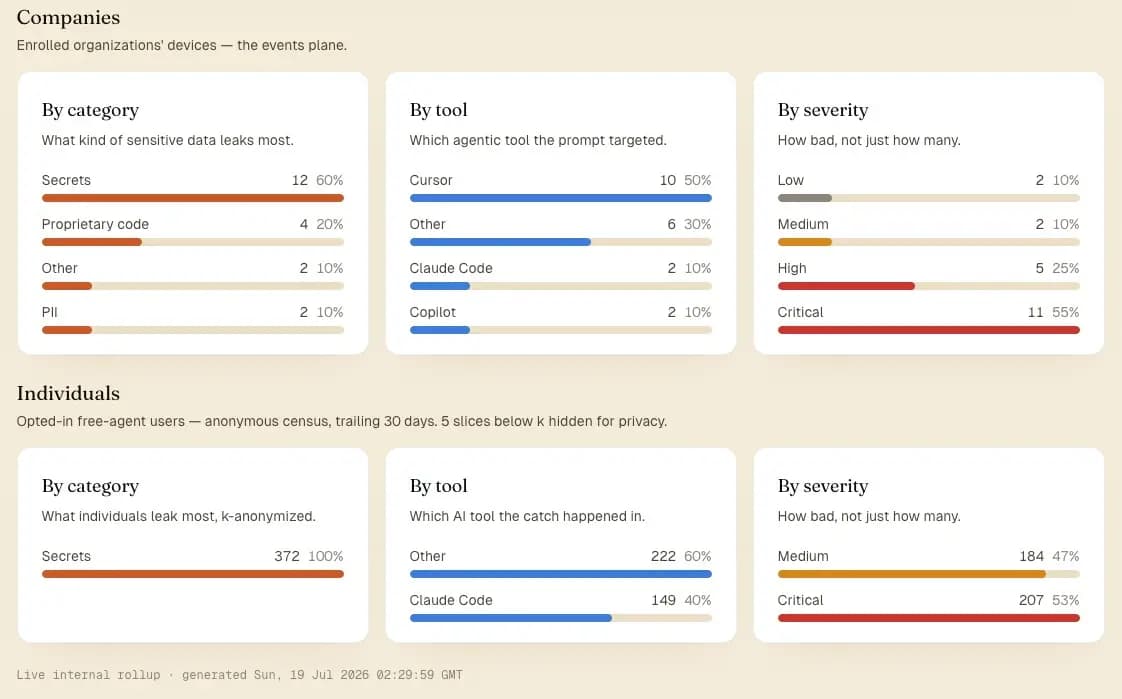
HeimWall
Uneed publisher atacinargenc / the HeimWall team
What it solves
Developers paste `.env` values, logs, customer records, or proprietary code into Cursor, Claude Code, Copilot, and similar tools. Traditional network DLP may not see an app's composer, while vendor dashboards do not provide one cross-tool signal.
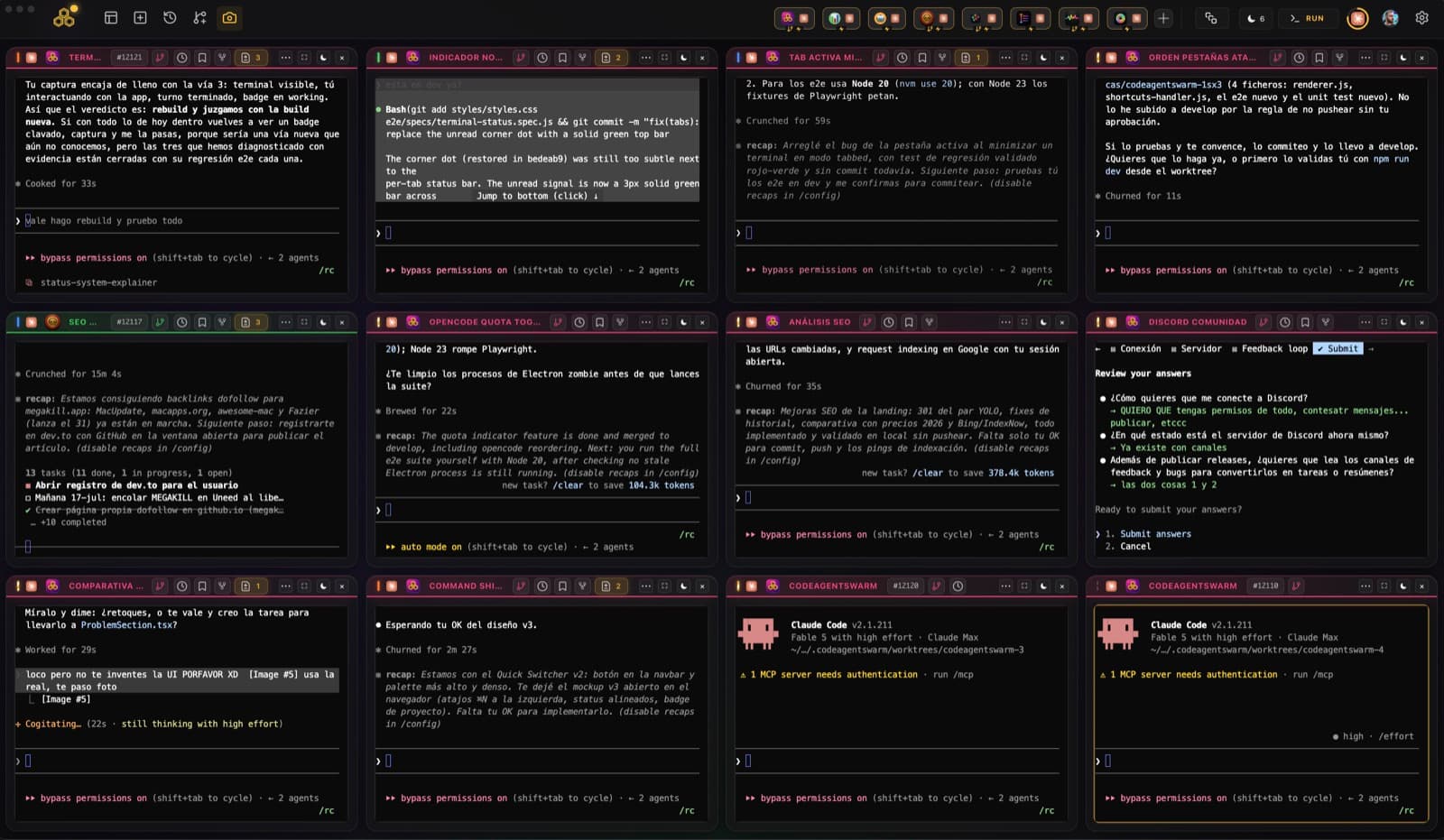
CodeAgentSwarm
Arturo Garcia
What it solves
Once several coding agents run in parallel, their execution gains can be erased by polling terminals, reconstructing context, finding sessions waiting for approval, and reconciling overlapping edits. Plain terminal panes can display processes side by side but do not understand each agent's task, state, or change scope.
02 / WHAT STANDS OUT
Three product decisions worth noticing
Keep readable files as the source of truth
Indexes can be deleted and rebuilt while user-owned Markdown remains the durable asset, keeping migration, versioning, and human inspection independent of one database.
Make ratification a state transition
Agents can only propose drafts and a deliberate user action turns them into ratified knowledge, which is easier to audit than asking a prompt to be careful.
Publish an approved projection
Projecting only ratified nodes into the public version while drafts, dated, and retired material remain local reduces accidental exposure at the collaboration boundary.
Product insight worth carrying forward
Keep machine output as rejectable drafts, make human-ratified nodes the only publishable state, and trace every conclusion to a locatable source; structure cannot replace source quality.
03 / DO NOT COPY
What not to copy
04 / LIMITS & RISKS
Limits and risks
The product remains at 0.5.x and hosted publishing is explicitly in closed beta. Desktop claims such as no telemetry, local-only keys, and source-bounded answers were not independently tested through installation or network inspection. Publishing stores account email, ratified content, reader conversation history, and usage records, with an optional encrypted provider key. The Fathom script conflicts with the privacy page's literal no-analytics statement, showing why deployed behavior and policy text need continuous reconciliation.
Compared with alternatives
Compared with a notes app or chat-over-files system it demands explicit types, scopes, sources, and ratification in exchange for stronger traceability. Compared with generic RAG it makes Markdown files, not the index, the source of truth. The tradeoffs are higher curation effort, desktop installation and model costs, and renewed hosted-data boundaries when publishing.
05 / EVIDENCE
Visual evidence
06 / SOURCE
Source and verification
- Original author
- 12vectors team (Nik Eleftheriou and Ronald Ashri)
- Country / region
- Europe / global
- Maturity
- Pilot
- Confidence
- Partial
- Discovered
- 2026-07-18
- Last verified
- 2026-07-18
What this review checked
We verified CartaStudio's site, feature and trust pages, download manifest, changelog, privacy page, 12vectors team page, and public support route. We did not download or install the roughly 120–169 MB desktop app, provide model keys, ingest private material, or test the closed-beta publishing service. The privacy page says the site runs 'no analytics or tracking scripts,' while the current homepage HTML loads a Fathom analytics script; that website-privacy statement is therefore treated as inconsistent and will be sent to the team for correction.
Latest change
Initial profile created from the site, download manifest, changelog, privacy page, and team information; the desktop app was not installed, and the Fathom-script conflict with the privacy text is recorded.
Ready to explore further?
Open the product, or return to the original source to verify the details.
ONE-TAP FEEDBACK
Did this profile help you judge the product?
One tap. No writing required.