AI video · Case study
The Accident: how two students built a serial drama after an earlier attempt stalled
An earlier series that did not take off, a trailer that attracted attention, and the difficulties of keeping a serial story on screen.
Published · Reviewed
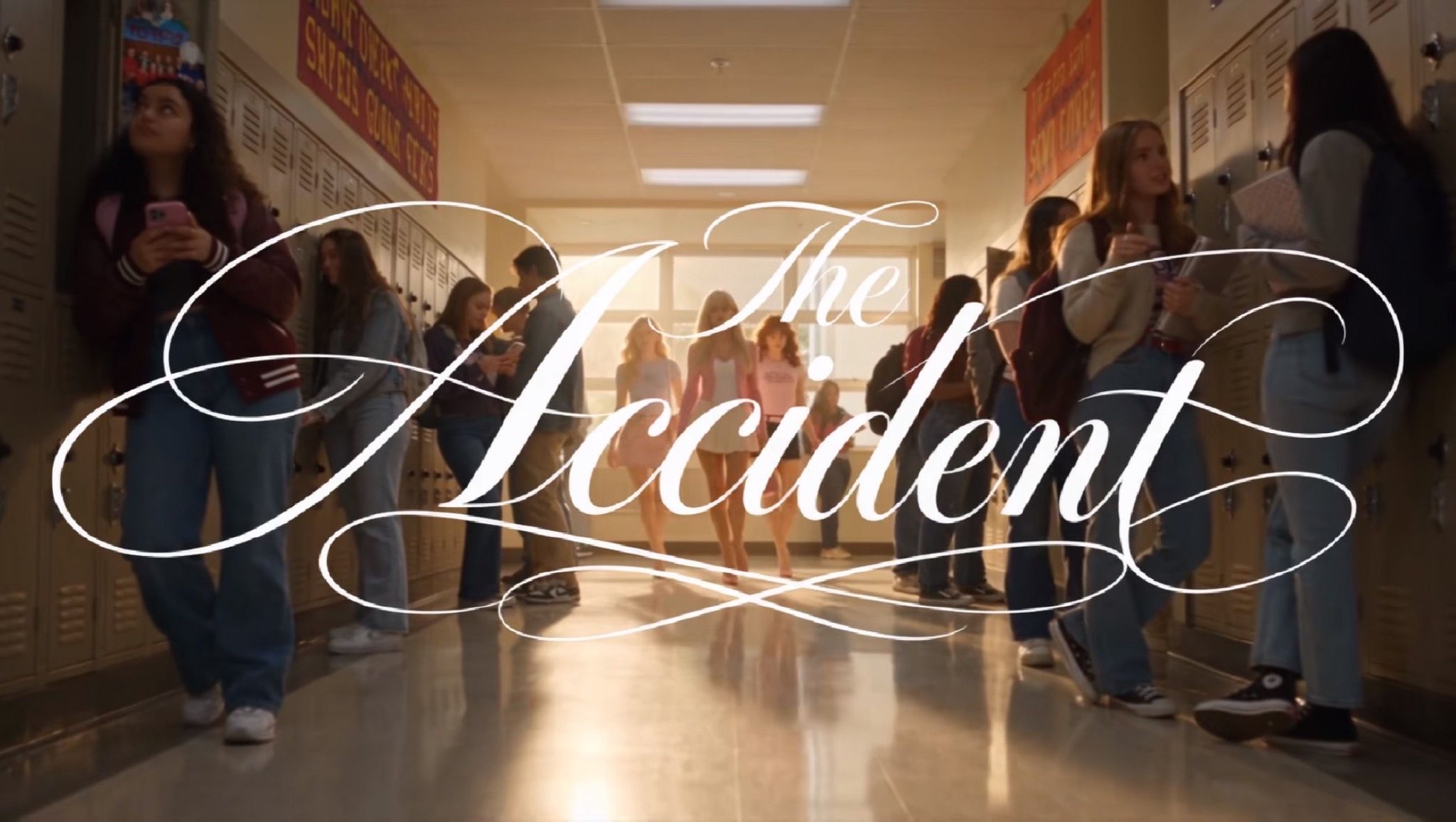 Watch original film ↗
Figures come from an interview produced by Xiaoyunque, which supports the project, not from platform analytics inspected by us. Views and likes are not revenue.
Check this resultThis AI campus drama offers characters and a story to watch, plus a useful creation trail: the two makers say their earlier collaboration failed to gain traction, while a new trailer drew attention. Their interview explains writing, generation and visible errors, but not production cost or receipts.
Public account
Watch the episode, then read the reach claim
Episode one is a creator post; cumulative figures come from a supporting platform's interview.
whata-ha posted episode one on August 14, 2026 and credited Gouyuansuanna as co-creator. Episode two followed on the same account. The original episodes are the first-hand record for judging performance, pacing and story.
A September 4 interview published by Xiaoyunque said four episodes had gathered roughly 30–40 million views and more than two million likes. The original posts and interview show attention, while the interview does not provide analytics that can be independently recalculated.
Sources for this section: whata-ha: The Accident EP01 · whata-ha: The Accident EP02 · Xiaoyunque interview with both The Accident creators
Public account
Why the creators changed to an American high-school story
The makers say their previous China-set series did not take off; a different trailer led to the show.
In the Xiaoyunque interview, the makers say their first, China-set collaboration did not take off. A later US-style trailer by whata-ha drew attention, so they developed it into a serial story. Without comparable analytics, the new premise alone cannot be named as the sole cause of its reach.
The baseball captain and school-paper editor came from the makers' viewing habits and taste. They describe an ensemble town whose characters have lives and growth beyond a popular look.
Sources for this section: Xiaoyunque interview with both The Accident creators
Public account
Who wrote the script and who made the shots
The interview describes collaboration, references and prompt thinking, but not the complete production files.
According to the two makers, they discuss episode arcs, character moments and cliffhangers together. whata-ha writes the script, Gouyuansuanna generates shots, and the footage goes back for editing. They say the script is mainly human-written, Doubao assists some translation and a model produces the English voices.
The interview says they keep base character images on a canvas and reconfirm new looks for each episode. Gouyuansuanna describes prompting for a character's state of mind, rather than issuing only a facial-action command. The article shares an approach and excerpts, not enough to reconstruct a full original prompt or settings for a shot.
The interview says most video shots used Seedance 2.5. This is the makers' account in a vendor-published interview; we have not inspected their project files or treated vendor pricing and claims as this show's actual cost.
Sources for this section: Xiaoyunque interview with both The Accident creators
Public account
Drifting positions, continuity errors and a useful accident
The makers describe specific problems and fixes; generation-by-generation comparisons are not public.
Gouyuansuanna says characters sometimes sat in the wrong place or jumped from the back of a classroom to the front; background students were also hard to keep consistent. One fix was to cut to a close-up so the unstable background left the frame. After attention grew, some shots took seven or eight generations, while others took one to three. These are the maker's recollections, not our generation log.
In one first-episode shot, a character moved toward another faster than scripted. The makers kept the deviation, and the interview says it became a widely shared moment. The useful decision is whether an unexpected result serves the character and story, not treating every loss of control as creative success.
Sources for this section: Xiaoyunque interview with both The Accident creators · whata-ha: The Accident EP01
Evidence still needed
What attention did and did not pay for
The interview reports platform credit support; spending, sponsorship and revenue are not disclosed.
The Xiaoyunque interview says the two joined its featured-IP support programme and received credits up front. That can cover some generation use, but the article does not disclose credit volume, total cost, sponsorship contracts, platform revenue sharing or money received. Views and likes cannot stand in for those figures.
A comparable trial would begin with a short scene that tests character and story, record generation spending and rejected shots, then inspect actual audience response and platform terms. Premise validation, production efficiency and earnings require separate evidence.
Sources for this section: Xiaoyunque interview with both The Accident creators · whata-ha: The Accident EP01
Sources and limits
Where the material comes from
- whata-ha: The Accident EP01Original episode from a co-creatorPublished Checked
Episode one, posted Aug 14, 2026, and its co-creator credit; engagement changes over time.
- whata-ha: The Accident EP02Original episode from a co-creatorPublished Checked
A continuation from the same creator account.
- Xiaoyunque interview with both The Accident creatorsCreator interview produced by a supporting vendorPublished Checked
Earlier attempt, premise, roles, concrete errors and support; audience figures and tool details are attributed claims.