A real creation · Digital bricks
An AI-designed brick streetscape still needs a second look
Two plain buildings become a bookshop and a distinctive neighbour. Follow the editable brick model, then see which design choices still need judging after the checks pass.
ldraw-nova is an open-source local tool requiring Git, Docker and a model connection. This reading examines the author's digital works and revisions; BitShovel has not run generation or built them with physical bricks.
Giving the street its own character
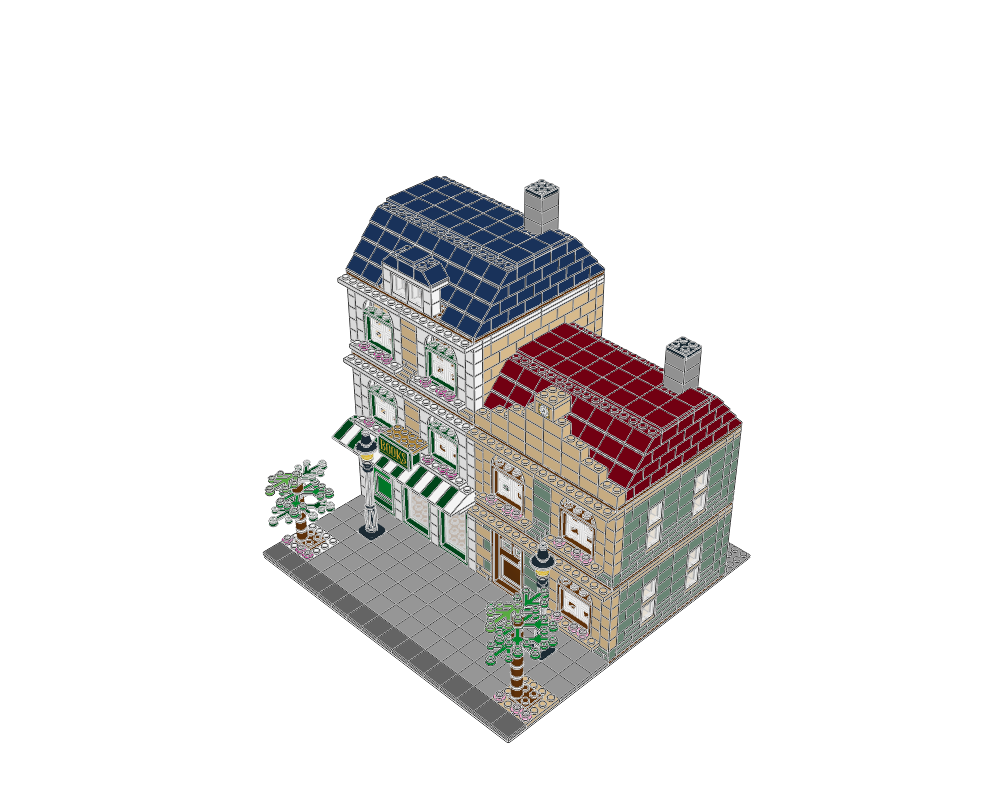
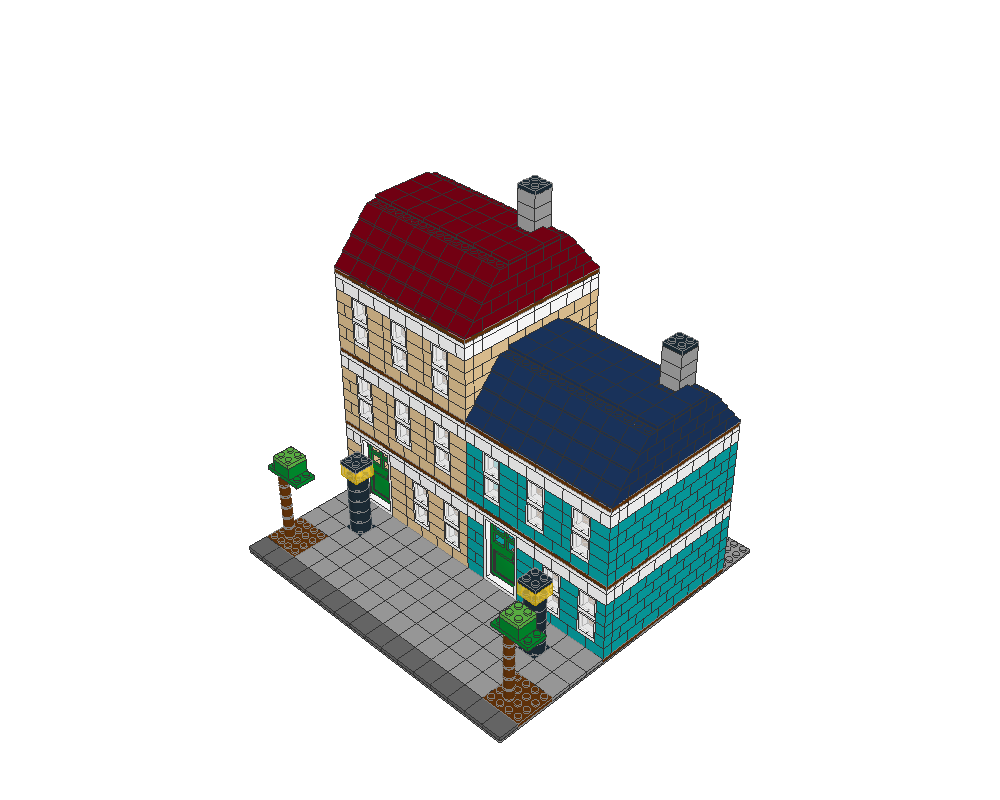
Carlos Antelo introduced ldraw-nova on October 3, Beijing time. Its Copper Lane visual record is dated September 7. In this published example, two plain buildings repeat small windows and similar roofs. The revised street gives the bookshop striped awnings and a gold BOOKS sign, while its neighbour gets a distinct roof profile. Layered leaves and flowers connect the scene.
The review keeps concrete corrections: a blank-looking sign was replaced with a patterned tile, and an awning support was adjusted to meet the slopes' underside sockets. An interpretable file and an openable image still need to serve the intended design. The difference comes from choices about the result, rather than simply adding more parts.
Sources and further reading
- Carlos Antelo: introducing ldraw-novaCreator announcement · October 3, Beijing timeThe project's origin, models used to develop the toolset and published examples; the announcement does not date every example's generation.
- Copper Lane: streetscape and generatorCreator example notes · Pinned revisionThe scene, storeys and reusable details, model and plan files, and checking scope.
- Copper Lane: before-and-after views and reviewCreator process record · Dated September 7Observations about signs, foliage, roofs and awnings from actual views; the original example date is retained.
From code to an editable model
LDraw describes digital bricks through parts, positions and orientations. ldraw-nova lets an agent write plans and a Python generator, produce model files, then render, inspect and revise. It offers model sources and Blender-editable GLB output. Copper Lane separates the scene, storeys and details; its generator can change floor counts. Persistent changes belong in the generator so regeneration does not overwrite them.
Sources and further reading
- ldraw-nova: tools and accessCreator source · Pinned revision c4ba6c4Editable outputs, generation workflow, local setup, and the roles of Jev search and different agents.
- Copper Lane: streetscape and generatorCreator example notes · Pinned revisionThe scene, storeys and reusable details, model and plan files, and checking scope.
- LDraw: the digital brick formatOriginal community documentationLDraw is a community-maintained CAD format, distinct from this AI toolset.
Different jobs for different models
The new announcement credits Astra and Opus 5.5 with developing the tools and instructions; different agents can use them. Jev reranks searches for parts and reference models, falling back to full-text search without its API key. Tool creation, reference selection, generation and visual review play different roles. The records show the process, without fully identifying Copper Lane's step-by-step operators, generation model or setting. They explain an approach rather than establish a model comparison.
Sources and further reading
- Carlos Antelo: introducing ldraw-novaCreator announcement · October 3, Beijing timeThe project's origin, models used to develop the toolset and published examples; the announcement does not date every example's generation.
- ldraw-nova: tools and accessCreator source · Pinned revision c4ba6c4Editable outputs, generation workflow, local setup, and the roles of Jev search and different agents.
- Copper Lane: before-and-after views and reviewCreator process record · Dated September 7Observations about signs, foliage, roofs and awnings from actual views; the original example date is retained.
From a digital scene to real bricks
The recorded Copper Lane checks resolve 1,655 placements, and two tools agree on its parts list. Whole-scene automatic contact analysis is skipped, collision coverage remains incomplete, and physical strength, stability or retail colour availability are not established. It is a digital design to explore before investigating a physical build.
Your own old street, favourite café or small bookshop could provide an idea. Study what makes this scene work, then begin with a small building and editable files. This is an editorial creative suggestion; new works need fresh review. The author notes slow generation and dependence on capable agents for complex models, rather than a one-click finished-kit experience.
- Start with the creator's published digital worksThe creator's example entry; BitShovel has not tested its 3D or VR interaction.
Sources and further reading
- ldraw-nova: tools and accessCreator source · Pinned revision c4ba6c4Editable outputs, generation workflow, local setup, and the roles of Jev search and different agents.
- Copper Lane: streetscape and generatorCreator example notes · Pinned revisionThe scene, storeys and reusable details, model and plan files, and checking scope.
- Project verification: what was checkedCreator verification record · Pinned revisionModel and parts-list checks do not establish physical strength, stability or retail availability.
See how these changes connect
 Topic · Updated
Another editable source: how do you revise a video and review what changed?
Before finding parts and examples, see how Jev works alongside a generative model.
 Topic · Updated
From digital bricks to 3D scenes: how descriptions become spaces.