AI video · Case study
The Oldest Tree: why did a changed face pass the checks?
Watch the girl, grandfather and redwood story, then inspect character inputs, a missed check and targeted rework. The portraits are references; the full soundtrack has not been reviewed here.
Published · Reviewed
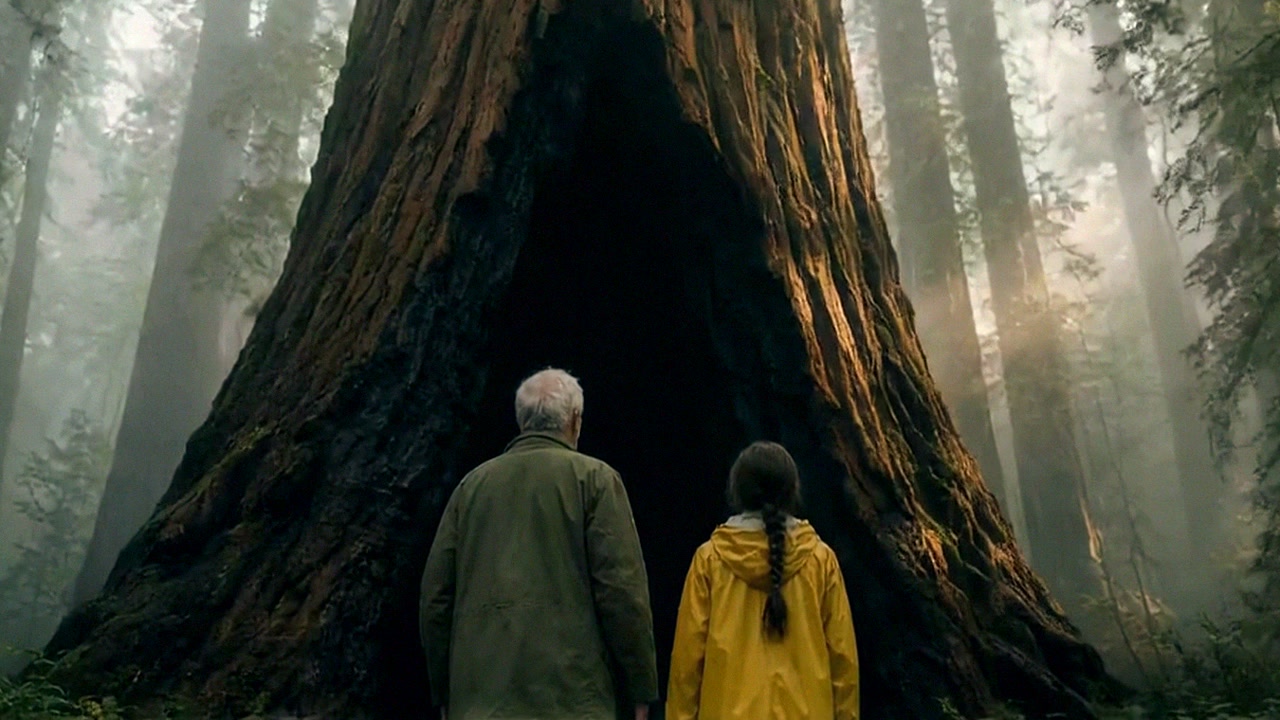 Watch the creator's 2:53 progress film on YouTube ↗
Traceable result · Production-process sampleA 2:53 progress film, character inputs and rework records
Included for its production choices. Version attribution is checked, while project reports retain failures and unchecked items. Orders, a complete bill, revenue and market outcomes are not public.
Check this resultRead the context and editorial assessment
A girl visits the redwoods with her grandfather as his memory fades, then returns years later with her child. The story needs both a recognizable person and a visible passage of time. The maker's earlier review, portraits and scripts trace a concrete revision: redefine the adult appearance, check that the program examines the right character, and rework the stages that need it.
01
Public account
Start with the people across two generations
The film is public; its characters and passage of time define the production problem.
The maker presents The Oldest Tree as an October 2026 local-video progress film. A girl, grandfather and the tree's memory carry the story, ending with the granddaughter and her child years later. The public version runs about 2:53 across 49 shots and remains on the creator's YouTube.
The October 4 v3 commit replaces the older 2:46, 47-shot link with the current ID and updates the project artifacts. This case examines choices in an existing work. Author-backed version attribution does not establish BitShovel's full picture-and-sound acceptance.
Sources for this section: Story Forge fixed-version README · The creator's current The Oldest Tree film · Original October 4 v3 commit
02
Public account
The same person grows up, so the reference changes
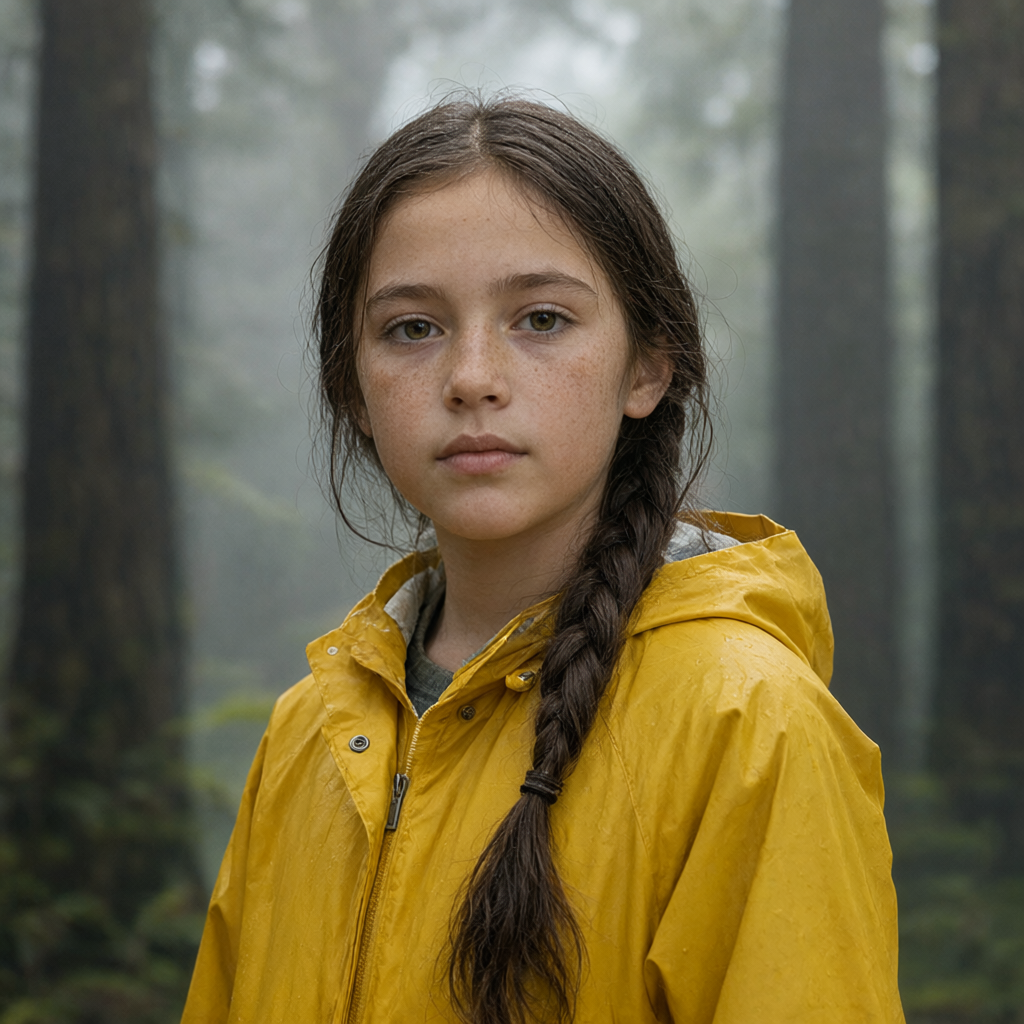
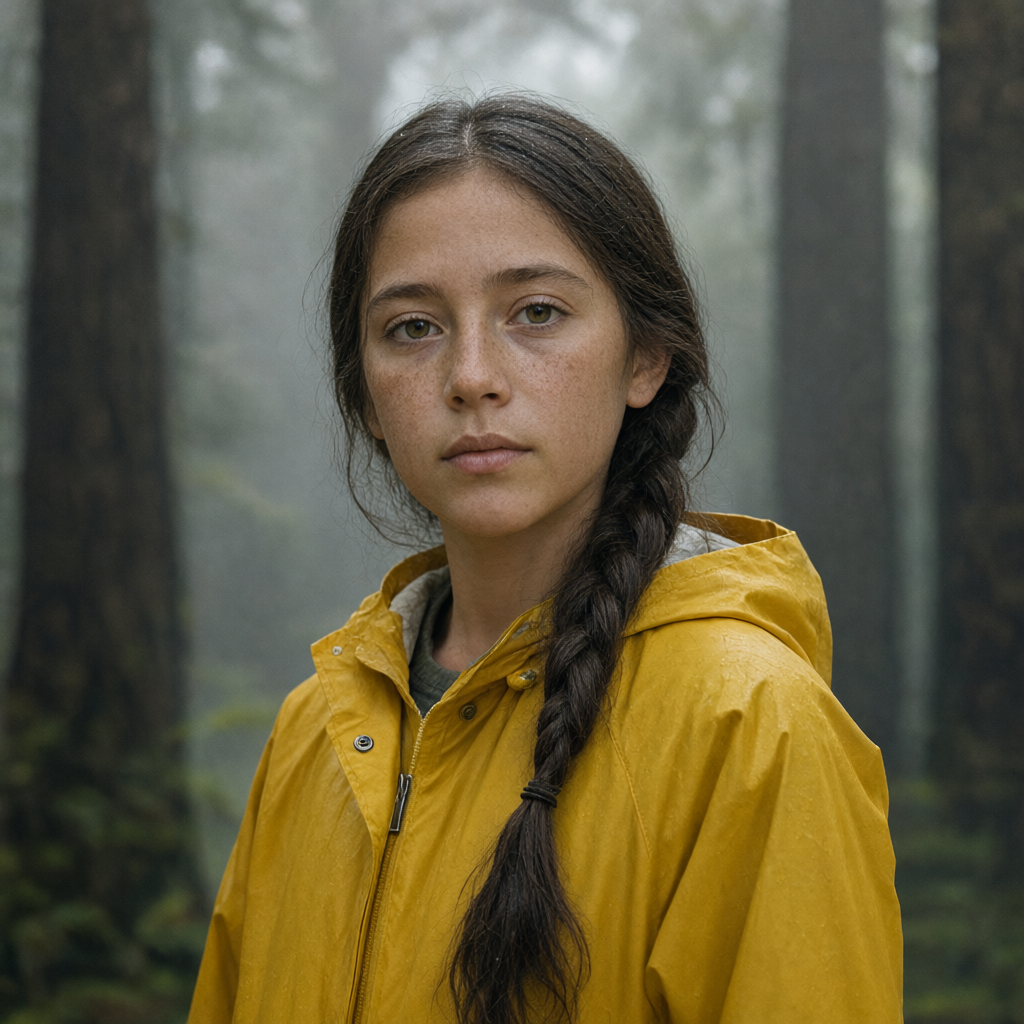
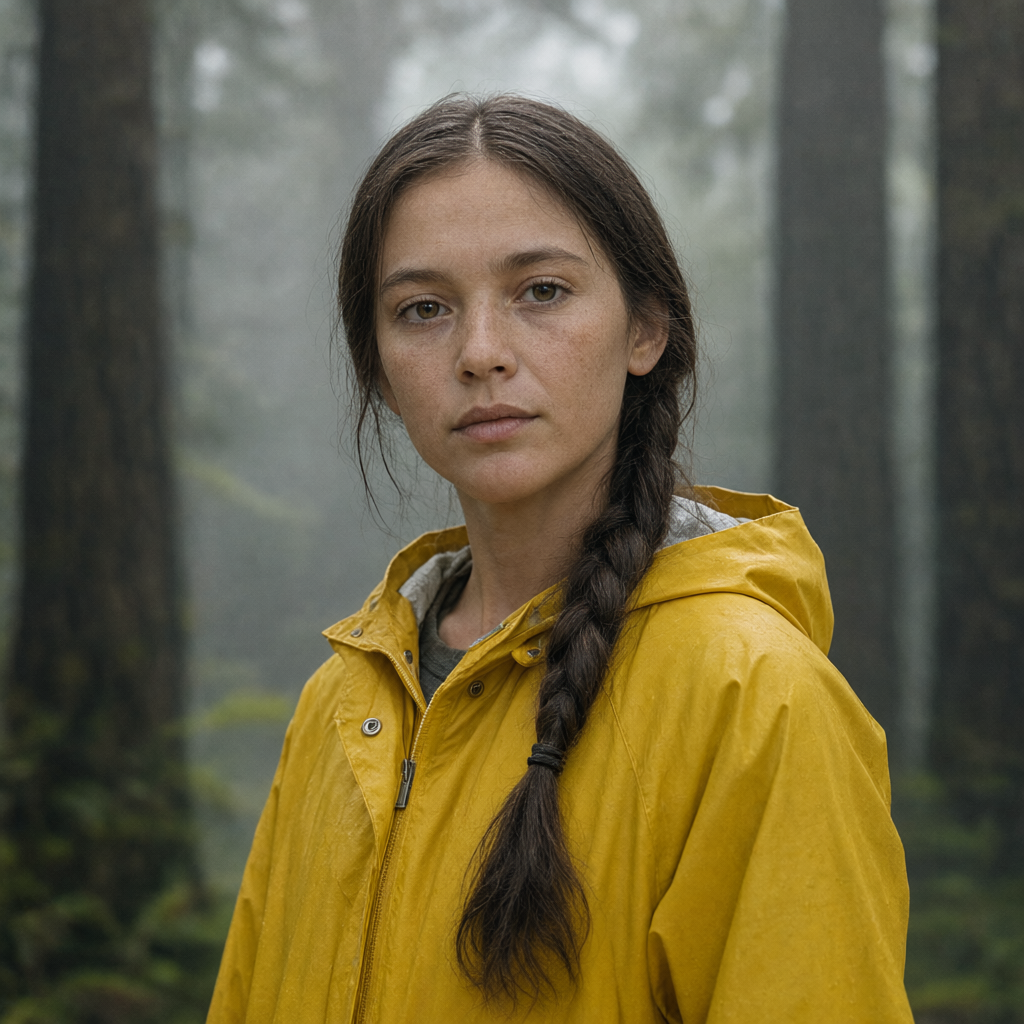
Three input portraits distinguish childhood and the two adult designs.
In the September 30 record of an older cut, the maker says the adult granddaughter still looked too young, and some close-ups drifted to a younger or different face. That judgment concerns age within the story, beyond matching wardrobe, hair or a roughly similar person.
The later masters3 input uses the girl's portrait to request the same person at 42: fine smile lines and a stronger jaw, retaining braid, freckles, eyes and yellow raincoat. It explicitly calls for an eye comparison because the age change is intentional. These are creator-published generated character inputs, not failed and repaired motion clips. Forty-two is the design requirement, rather than an independently established age.
 Check visual source ↗
 Check visual source ↗
 Check visual source ↗
Sources for this section: Human review and parked notes for the older cut · Actual input for the 42-year-old adult master · Three original character input portraits
03
Public account
The character was supplied, but the check missed her
Older questions and cast fields created separate holes in the check.
The face_check record names s4_walkback: a four-second shot changed the girl to a rounder, younger-looking face with different eyes, yet the earlier checks let it through. The maker traces two causes. The whole-film identity questions originated with cartoon animals and concerned species, ears and proportions, rather than a direct comparison of that small face.
The shot supplied the character under refs, while the old shot gate expected identity, so the character check did not run. The new code collects cast from both fields and compares detectable faces with the corresponding masters. Supplying a portrait also requires checking that the review step actually reads it.
Sources for this section: Face check: missed-check account and actual logic
04
Public account
Rework a wrong still separately from motion drift
Three shots restart from stills; two others explicitly restart at animation.
The original refix_faces script restarts s4_walkback, s2_wide_walk and s7_kneel from stills, while s4_creek and s8_wide explicitly restart at animation. The former rebuild the picture before continuing downstream; the latter do not discard a still just because motion failed. The script preserves this particular allocation of rework.
The maker also records animation seeds repeatedly redrawing the girl's face, prompting face_lock: apply the cast master's identity to detected faces, then check the output. Its intent is to retain movement instead of replacing it with a camera push on a still. The implementation is inspectable; BitShovel did not regenerate the shots or make a motion comparison.
Sources for this section: Original three-shot and two-shot rework script · Face correction while retaining motion · Story Forge fixed-version README
05
Our analysis
Recognizing a face does not settle age or story
Age is only a reported field, and skipped checks differ from passes.
The current check code explicitly says age is reported only: the model estimates the ten-year-old master as 37, so age does not gate acceptance. The decision logic uses face similarity. Although the report header still mentions an eight-year age tolerance, it cannot establish reliable story-age checking. Redefining the adult portrait and comparing it by eye answers a separate question.
Checks and corrections each skip faces that are too small or turned too far; unchecked is not passed. The maker also skips face correction on talking shots to protect lip sync. The October 4 v3 face report retains WARN, FAIL and UNCHECKED; whole-film QC passes 177/179 but reports FAIL overall. These are project reports, not our rerun or a substitute for picture-and-sound judgment.
Sources for this section: Face check: missed-check account and actual logic · Face correction while retaining motion · v3 face report · v3 whole-film QC report · Original October 4 v3 commit
06
Our analysis
For your own character, decide what the check must answer
Original materials explain a process; reuse needs matching inputs and a model environment.
To borrow the idea, use character references you may use and specify whom a shot must show, what happens and the intended age. Separate failures in the still from failures in motion. The scripts, portraits and local model stack belong together. The README's starter .sf route lacks the full judge/director pipeline; the full route needs additional models and tools and retains machine-specific paths.
Code is MIT, with separate terms for media and model weights. The asset license specifically lists the older saga.mp4 as CC BY-NC-SA; that does not cover the current film or every portrait. This is an entry to the original work and decisions, rather than a requirement to copy the pipeline or evidence of income, market success or reliable automatic acceptance.
Sources for this section: Story Forge fixed-version README · Code, media and model licensing boundaries
Sources and limits
Where the material comes from
- The creator's current The Oldest Tree filmPublic progress film · October 4 versionPublished Checked
The YouTube ID is linked by the v3 commit. Continuous muted playback completed; full audio was not reviewed.
- Story Forge fixed-version READMECreator's production and runtime accountChecked
Film, check/correction roles and different starter/full-pipeline requirements; not a BitShovel replication.
- Original October 4 v3 commitCreator-backed version attribution and diffPublished Checked
Replaces the old film ID, duration and shot count and updates final artifacts in the same commit.
- Human review and parked notes for the older cutCreator's September 30 recordChecked
Adult appearance and close-up drift; unfinished checks concern the old 2:46 cut, not v3 acceptance.
- Actual input for the 42-year-old adult masterOriginal reference and generation specificationChecked
Girl reference, age design, retained traits and eye-comparison requirement; not a motion-repair test.
- Three original character input portraitsCreator-published generated referencesChecked
The roles of girl, woman and woman40; original bytes preserved without claiming a motion A/B.
- Face check: missed-check account and actual logicCreator's code and commentsChecked
Cast from refs/identity, similarity, age reporting and skipped cases; documentation and executed logic are distinguished.
- Face correction while retaining motionCreator's code and exceptionsChecked
Apply master identity to detected faces, skipping small or turned faces; not a guarantee that every frame passes.
- Original three-shot and two-shot rework scriptCreator's stage-specific repair planChecked
Three restart from stills, two specify animation; not run by BitShovel.
- v3 face reportCurrent project output · October 4 commitChecked
FAIL, WARN and UNCHECKED remain; estimated ages are not the characters' actual ages.
- v3 whole-film QC reportCreator's project-check outputChecked
177/179 pass with an overall FAIL; counts do not establish complete picture-and-sound acceptance.
- Code, media and model licensing boundariesOriginal repository asset-license noticeChecked
MIT code and the separate saga.mp4 license; upstream models and other current media require their own checks.