Skip to content

AI COMIC DRAMA · FROM SAMPLE TO BUSINESS

Want an AI comic drama that can earn? Start with one sample whose cost you can explain.

Generating one clip proves that a model can generate. Publishing consistently—and possibly earning—also requires story, character, shots, sound, rights, cost, and distribution to work together.

See what you should get first
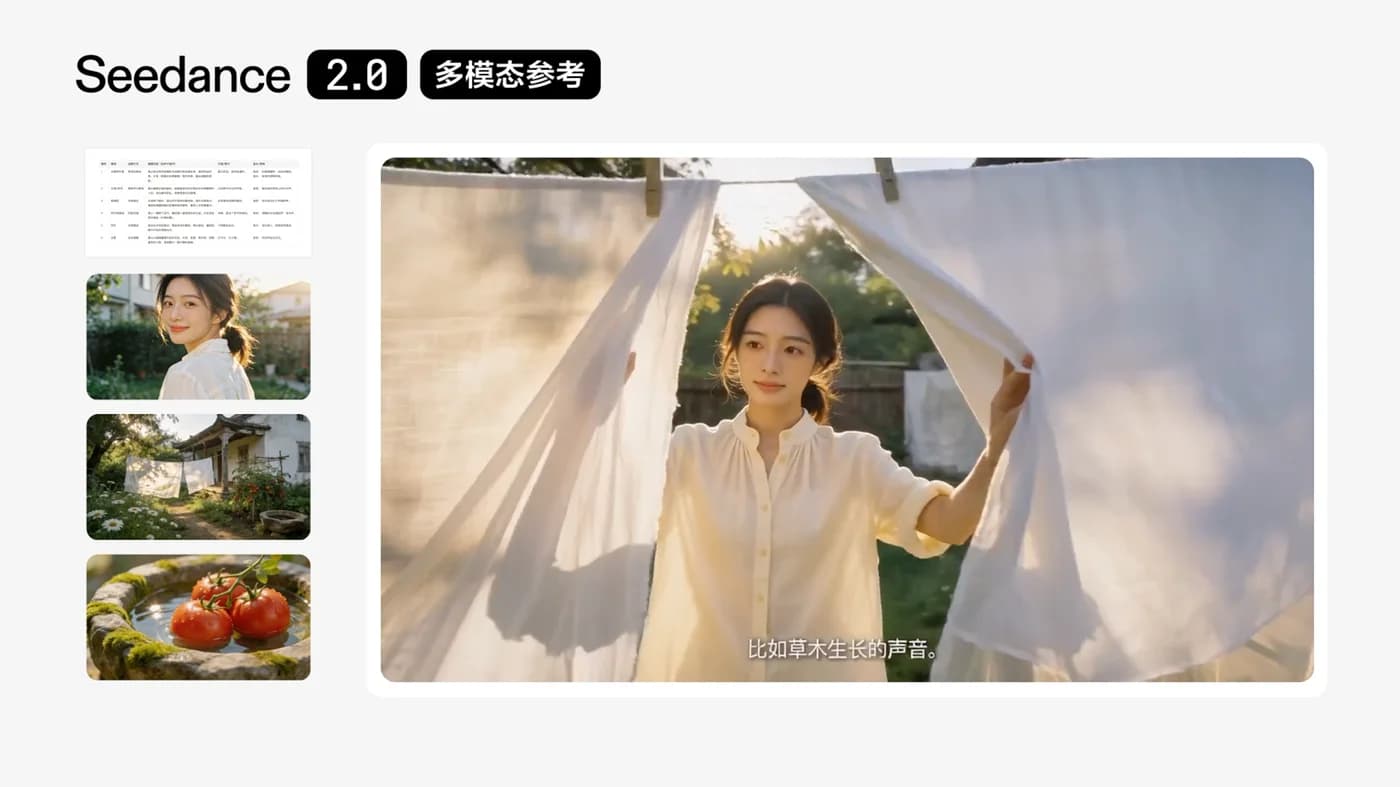
Official Seedance 2.0 demo with script, character, scene, and prop references beside a multi-shot video result
MAKER DEMO FRAME · NOT GENERATED BY BITSHOVEL

SEE THE FINISH LINE FIRST

Do not start with dozens of episodes. Get these three results first.

SAMPLE

One complete 30–60 second story

A beginning, change, and ending—not just several pretty clips.

COST SHEET

Shots, retries, human time, and subscriptions

Without a cost sheet, views and revenue cannot be compared with production cost.

DISTRIBUTION TEST

One account, one format, three releases

Watch completion, comments, and follows before increasing production.

NOT MAGIC · A PATH YOU CAN INSPECT

The six parts a real comic-drama episode passes through

If one step is unclear, pause there instead of hiding the problem under more generations.

  1. 1

    Story

    Goal and conflict

  2. 2

    Shots

    Frame and action per shot

  3. 3

    Characters

    Stable face, clothes, scene, and props

  4. 4

    Generate

    References and candidates per shot

  5. 5

    Sound & edit

    Dialogue, pacing, captions, continuity

  6. 6

    Publish & learn

    Measure audience response, not only image quality

WHAT A GOOD FRIEND WOULD FLAG EARLY

What gets missed after “it can generate”

Story and rights

Novels, characters, music, voices, and source assets can all carry rights. Be able to explain provenance and permission before publishing.

Consistency and rework

Longer stories must preserve identity, clothing, scene, and narrative across shots. Retries often cost more than the first generation.

Distribution is separate

Platform revenue, client work, branded content, and owned IP are different businesses. Each needs an audience, customers, or a channel.

START HERE TODAY

Take the smallest useful step from where you are

BYTEDANCE ENTRY · FULL COMIC-DRAMA FLOW NOT TESTED BY US

FIRST ATTEMPT

Dreamina · official Seedance 2.0 entry

Use an original 6–8 sentence story and only 3–5 shots. Test whether the story lands.

BRING
An original micro-story, one character reference, and 3–5 shots
DONE MEANS
A 30–60 second clip with a beginning, change, and ending
STOP WHEN
If shots look good but the story does not land, fix the story before buying more retries
Open the official video entry
GITHUB PROJECT · NOT INSTALLED BY BITSHOVEL

CLIPS ALREADY WORK

Jellyfish · open-source short-drama workspace

Compare the best and worst shots, then keep character references, shot format, and rework rules.

BRING
Docker, local model setup, and the ability to handle errors
DONE MEANS
Character assets survive across shots and failed jobs can be found and rerun
STOP WHEN
Do not start with an open-source studio for one sample or when local setup is unfamiliar
See screenshots and setup requirements
ALIBABA OPEN SOURCE · NOT INSTALLED BY BITSHOVEL

READY TO PUBLISH REGULARLY

LumenX Studio · end-to-end motion-comic studio

Run three publishing tests and finish a full cost sheet before scaling, selling services, or building IP.

BRING
Local install, model and storage setup, and ongoing asset management
DONE MEANS
Three releases with per-episode cost, rework, and audience response recorded
STOP WHEN
Do not build a complex production line before three releases and a cost sheet
Inspect the full pipeline and setup

WHY WE FRAMED IT THIS WAY

Inspect the public primary material before investing.

These links show that relevant production workflows and capabilities exist. They do not prove that following them will earn money.

ONE-TAP FEEDBACK

Do you know what to do next now?

One tap. No writing required.

Want an AI comic drama that can earn? Start with one sample whose cost you can explain. — BitShovel