AI in use · Wildlife and transport
After AI spots a deer near the tracks, what happens next?
Flox connects cameras, local recognition and species-specific sounds to move wildlife away from tracks and runways. Fixed devices and train trials show the steps between spotting an animal and acting on it.
This technology has years of trials behind its renewed attention. We separate today's fixed device, earlier drones and the system tested on trains: they are different deployments.
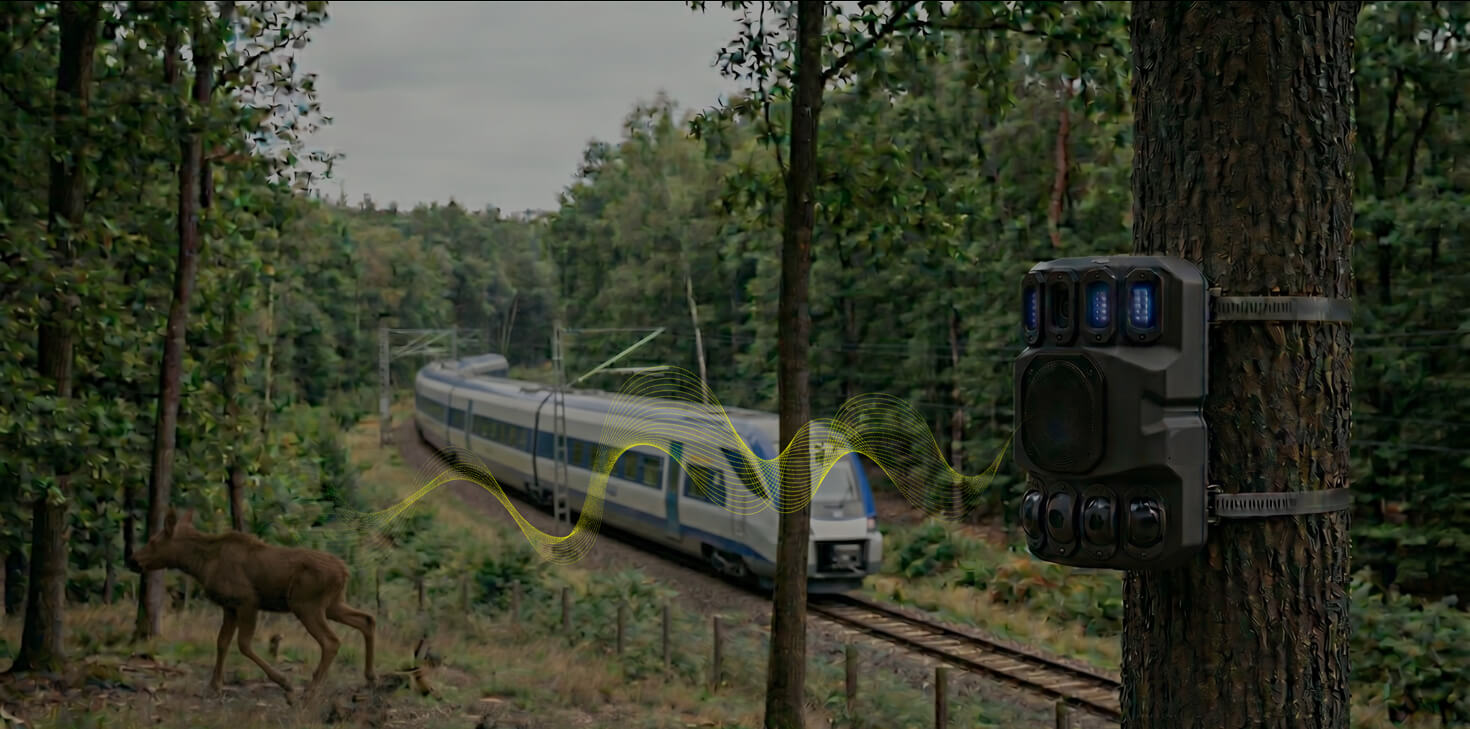
Recognition needs a signal the animal responds to
Spotting a deer and moving it away from a train are different tasks. Flox connects recognition to a species-appropriate sound and an event record for later review. KTH traces the idea to crop-protection research with drones, followed by a ground device. Our interest is the connection between perception and a targeted intervention.
Sources and further reading
- Flox Edge product and operating accountCurrent vendor product pageLocal operation, offline/sync roles, camera and speaker; efficacy statements are vendor claims.
- KTH: from research to a ground deviceUniversity account · November 27, 2025The crop-protection drone origin and later stationary unit; historical specifications do not replace current ones.
Work locally, then reconnect the records
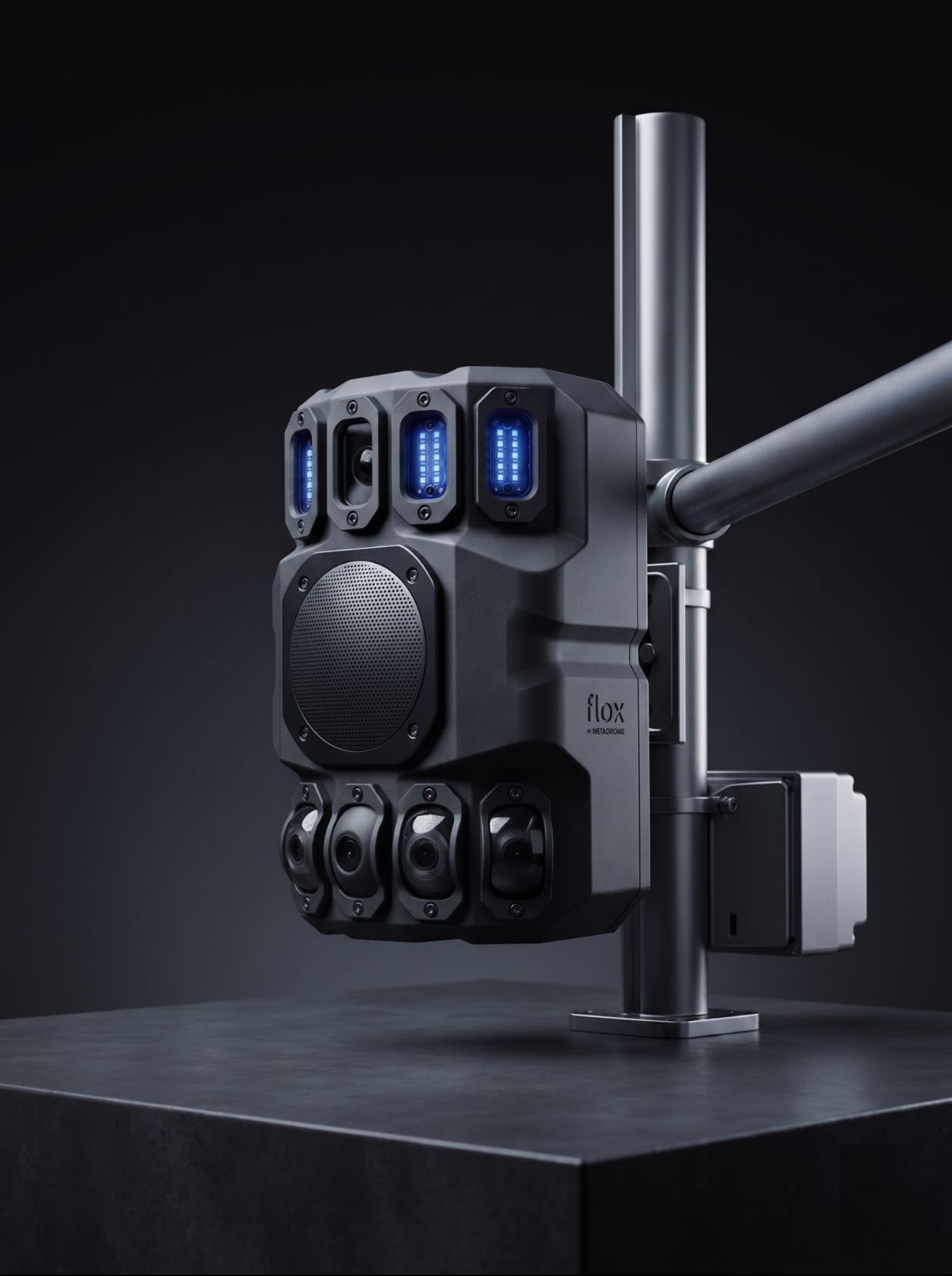
On today's Edge unit, a motion sensor wakes a camera, local AI assesses species and context, and a speaker responds. Detection and sound continue offline; data and updates sync over LTE-M after reconnection. The current specification gives up to 40 metres, varying with animal size: hotspot coverage, not an entire airport.
Our reading is that local processing keeps the immediate response near the animal, while shared records support later review. Edge uses a contact-led deployment route for organizations; Home remains a waitlist, with no public price list. This is a hardware-backed service.
Sources and further reading
- Flox Edge product and operating accountCurrent vendor product pageLocal operation, offline/sync roles, camera and speaker; efficacy statements are vendor claims.
- Flox current product accessVendor websiteEdge directs organizations to contact the company; Home and Insights remain waitlists. No public price list was found.
Drones, fixed units and trains test different things
The Flox/Swedavia airport-drone project ran in 2022–2024; a separate ground-based Edge demonstration is ongoing in 2026. Alstom's May release describes trials on Swedish routes with Tåg i Bergslagen and VR, adding sound to video detection in April. These establish different real-world projects, not a shared success rate for one device.
Alstom reports stronger recognition for farm animals, crows and pigeons, while moose and roe deer needed more training. Species and viewing conditions matter. The release gives no before-and-after collision-rate comparison.
Sources and further reading
- Alstom: Swedish railway field trialsProject partner release · May 11, 2026Routes, the detection-plus-sound phase and species differences; no comparative collision rate is published.
- Vinnova: the airport drone projectProject register · 2022–2024, completedFlox/Swedavia drone collaboration; the result description was supplied by project participants.
- Vinnova: the ground-based Edge demonstrationProject register · March–December 2026, ongoingGround-sensor maturity and demonstrations, not a completed overall safety validation.
Watch the response, not only the detection box
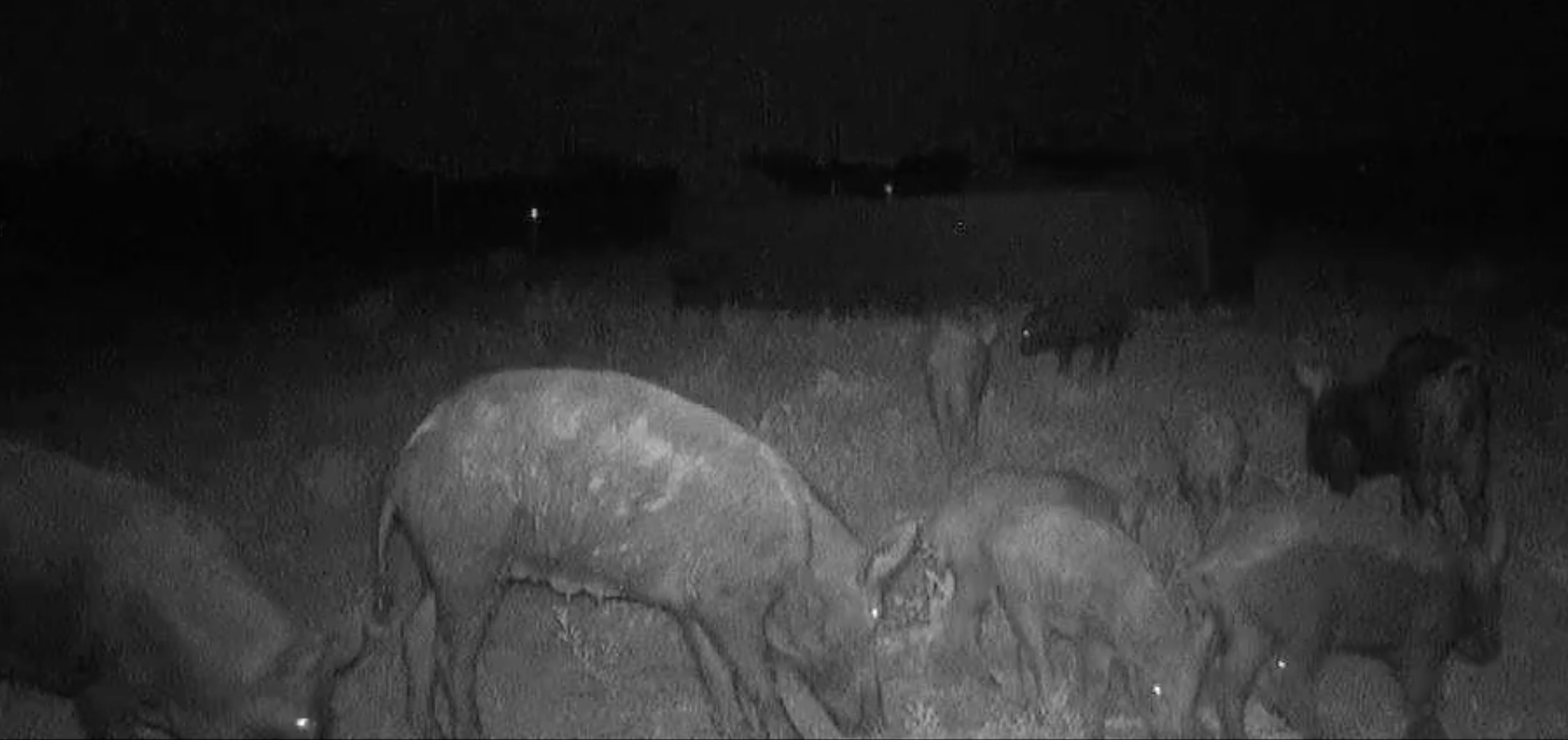
In Flox's Mora Airport account, a named maintenance manager describes magpies and crows responding to sound variations, with local experimentation. That experience does not establish universal, lasting or harm-free effectiveness. A later airport-panel recap emphasizes starting at hotspots, agreeing metrics with local teams and adding the tool to existing wildlife management.
Our interpretation: recognition, sound selection, movement and persistence over a season are separate outcomes. Cameras, algorithms, speakers and people's siting decisions jointly shape the result. As with robot practice, understanding a view becomes useful action only through hardware and the real environment.
- Continue to robots connecting practice with physical action
- Inspect Flox's current device and deployment route
Sources and further reading
- Flox: a Mora Airport maintenance accountVendor-hosted customer account · October 12, 2025A named maintenance manager discusses magpies and crows responding to sound variations; not an independent statistical report.
- Flox: airport AI discussion and deploymentVendor panel recap · September 30, 2026Starting at hotspots and agreeing metrics with local teams; panel participation does not establish a purchase.