From research to creation · Video continuity
An AI video cuts, and the pianist becomes a violinist
Google puts a flawed clip beside a revised one. Follow the role switch to see how video can be checked and regenerated, and what remains between a research demo and everyday tools.
Google brought together its multi-shot video research on September 24. This eight-second comparison comes from the research team; we checked the original footage but did not reproduce the generation. The article offers no direct consumer entry to VQQA.
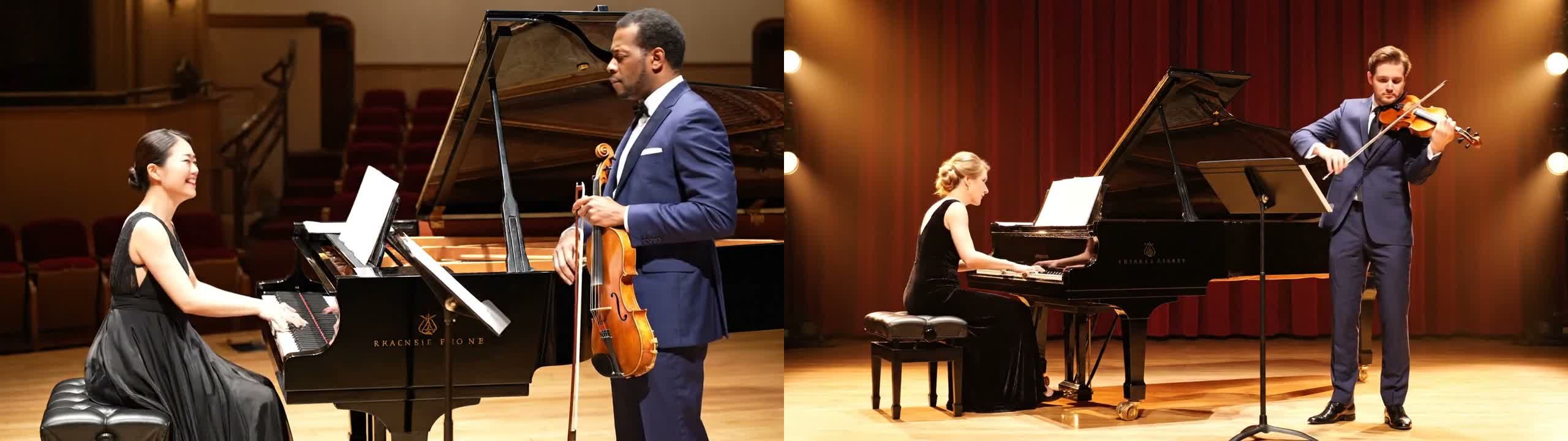
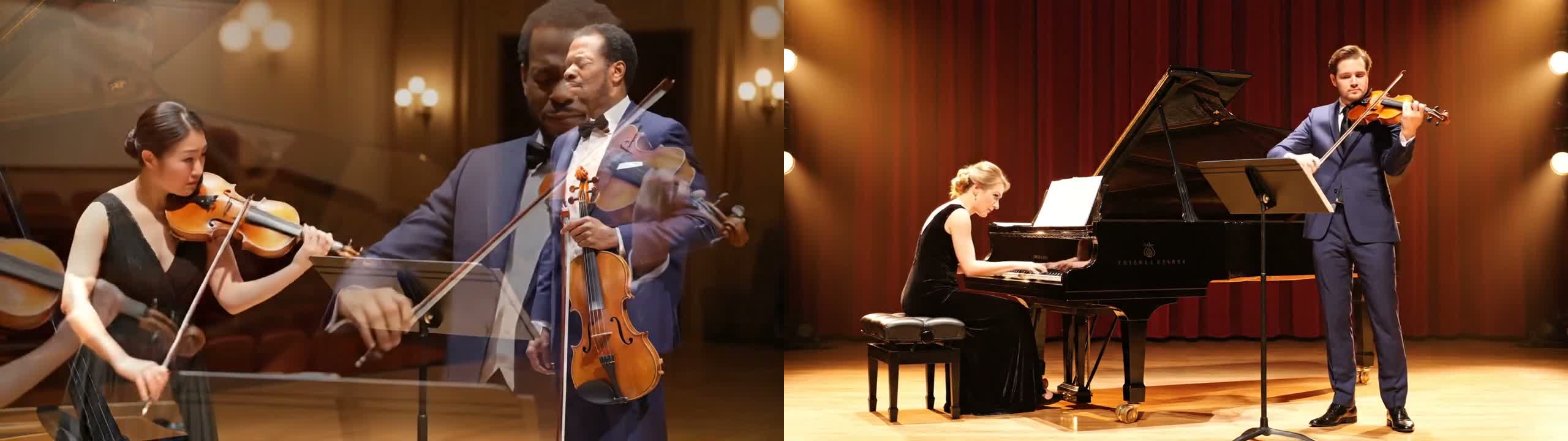
Both frames look like a concert; the roles change between them
Google Research's eight-second comparison shows two results side by side. Both begin with a woman at the piano and a man holding a violin. After the cut, the woman in the baseline version on the left plays violin; in the revised version on the right, she stays at the piano while the man plays violin. A single frame may look fine. The broken relationship appears across the cut.
This research example shows one visible role switch and revision. It does not establish that every instrument, character or long film can be fixed reliably. Watch the original from the start to around five seconds, then pause to compare what each performer is doing.
- Watch the original eight-second comparisonOriginal Google Research footage; baseline left, research revision right.
Sources and further reading
- Google Research: coherent long-form videoOfficial research overview · September 24The side-by-side demo, how VQQA works and the scope of the other multi-shot research.
- Piano and violin: original comparison videoOfficial demo · Eight secondsBaseline generation on the left, VQQA revision on the right; watch both shots together.
It checks the mistake before generating again
The method is called VQQA. It does not erase the violin from a flawed frame. It formulates visual checks against the original request, uses a vision-language model to critique the result, rewrites the prompt and generates another candidate. It then compares candidates with the original request and chooses a better one instead of assuming the last attempt is best.
A creator can borrow the order of checking: record who does what, what each character wears and where props belong, then inspect those relationships across shots. This is an editorial lesson from the research. Google's article does not give the time or cost of each retry in this example or offer VQQA as a ready-made video button.
Sources and further reading
- Google Research: coherent long-form videoOfficial research overview · September 24The side-by-side demo, how VQQA works and the scope of the other multi-shot research.
- The VQQA paperResearch paper · March 12Visual questions, natural-language feedback, regeneration and selection across candidates.
One visible error points to the longer-film challenge
The same Google Research article describes other approaches: CANVAS tracks characters, locations and objects across shots, A²RD extends longer videos segment by segment, and a co-director organizes scenes around a story-level intention. These tackle planning, memory, generation and checking; together they are not a one-click long-film product for everyday users.
It also separates two ways of making a short film. Works in our Opus 5.5 topic mainly use the model to write animation code or organize production tools; this research asks whether generated shots preserve people and actions when joined into a story. The useful next evidence is whether creators cut rework in real projects, beyond a polished research clip.
Sources and further reading
- Google Research: coherent long-form videoOfficial research overview · September 24The side-by-side demo, how VQQA works and the scope of the other multi-shot research.