
01 / ANALYSIS
Product analysis
- Maturity
- Live
- Confidence
- Partial
- Verified
- 2026-07-21
- Commercial relation
- Not sponsored
Problem solved
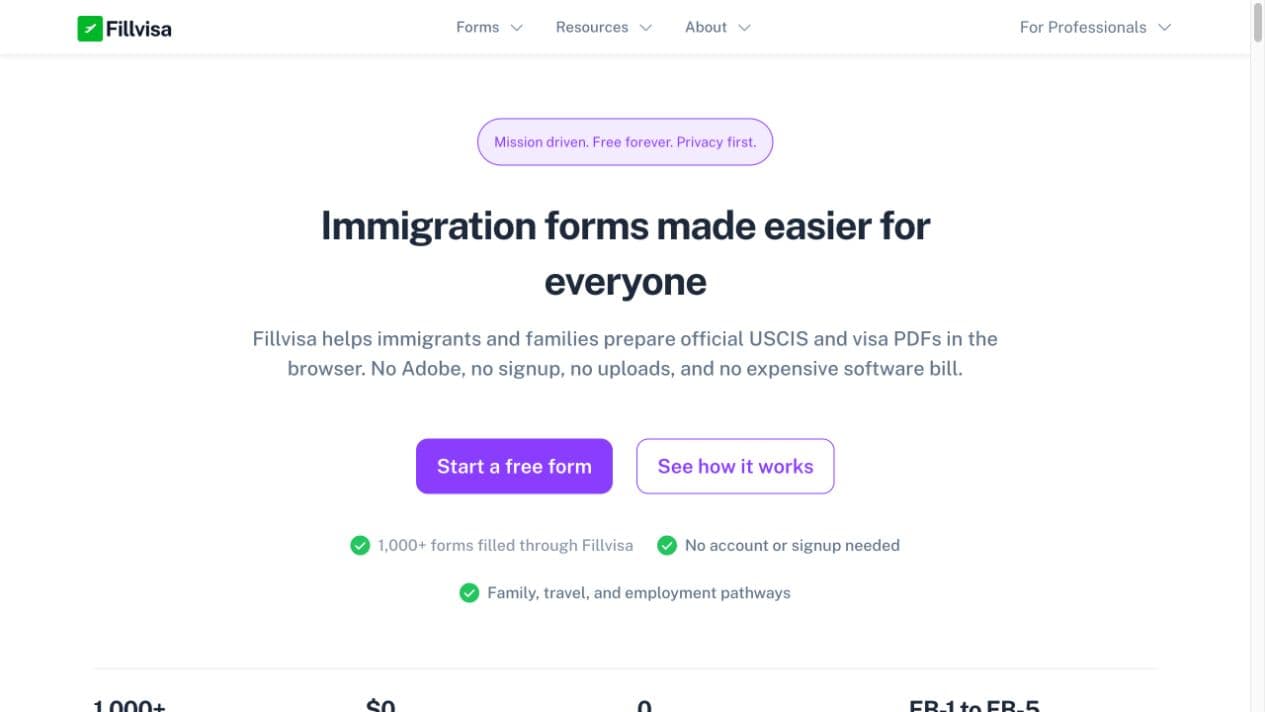
USCIS and visa PDFs can be difficult to complete, save, and review across browsers and mobile devices. Fillvisa turns them into guided web forms and says answers remain local before an official-format PDF is generated.
Why it was selected
Maker Junaid says his own visa-form experience exposed broken fields, timeouts, and confusing controls. His technical article walks through XFA-to-AcroForm conversion, manual field mapping, localStorage autosave, full-form validation, in-browser pdf-lib generation, and signature embedding, moving the core mechanism from marketing copy to inspectable first-party implementation evidence. Paid professional workflows fund the free consumer tool, while the reported 1,000+ completed forms remain a first-party claim.
What is genuinely novel
The free public tool and paid professional workflows share product capability, while the consumer path keeps sensitive answers on-device instead of making data collection the price of access.
Best for
Product designers studying high-stakes forms, local-first privacy, and digital public services
Editorial evaluation
KEEP DISCOVERING
A few more products worth noticing
A small set selected by product shape and profile similarity, with independent verification records.
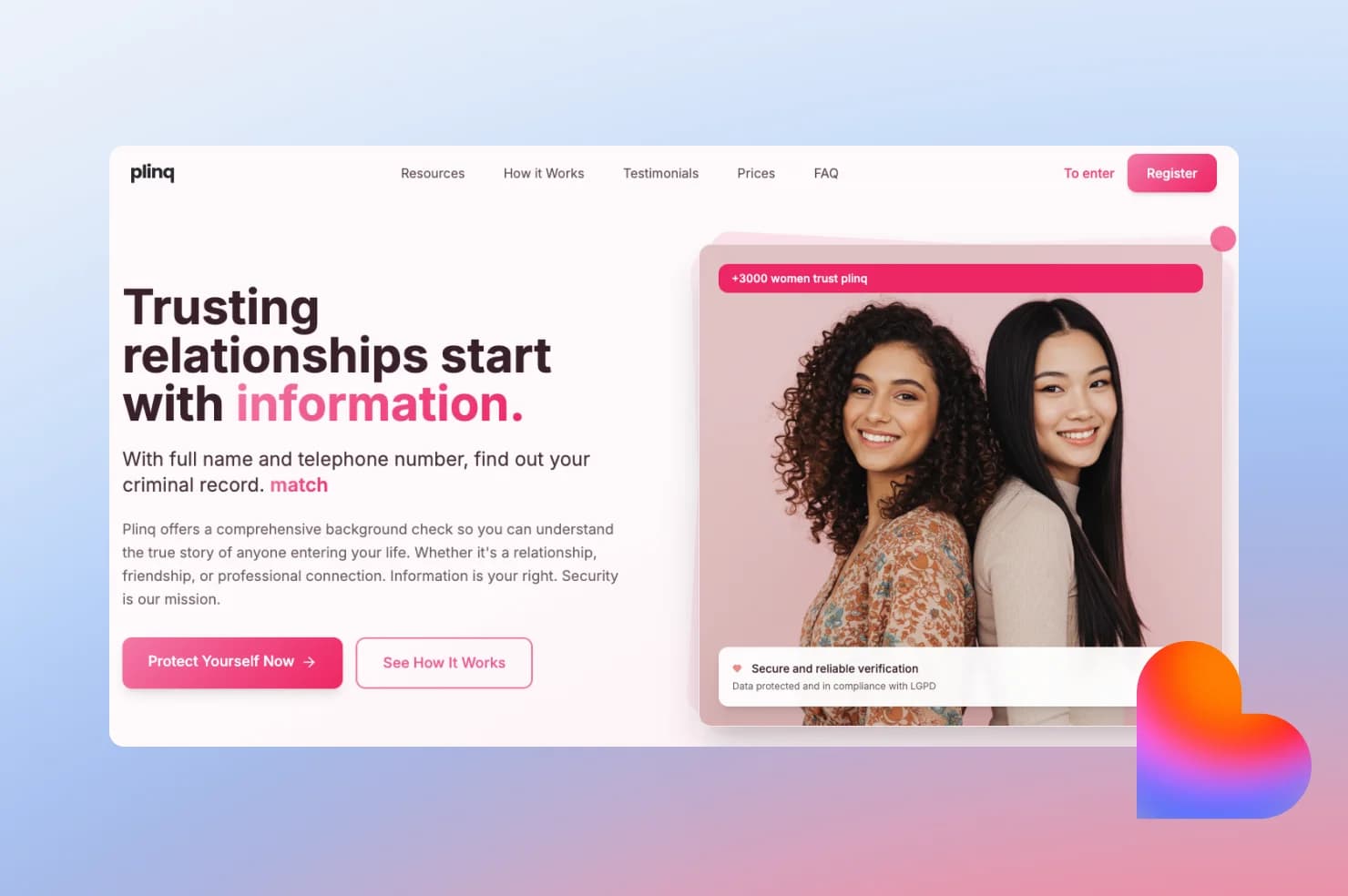
Plinq
Sabrine Matos
What it solves
When people try to assess a stranger's safety risk, public records, warnings, and help resources are scattered and difficult to interpret. Plinq tries to put the search, risk levels, and next actions into one consumer-facing path.
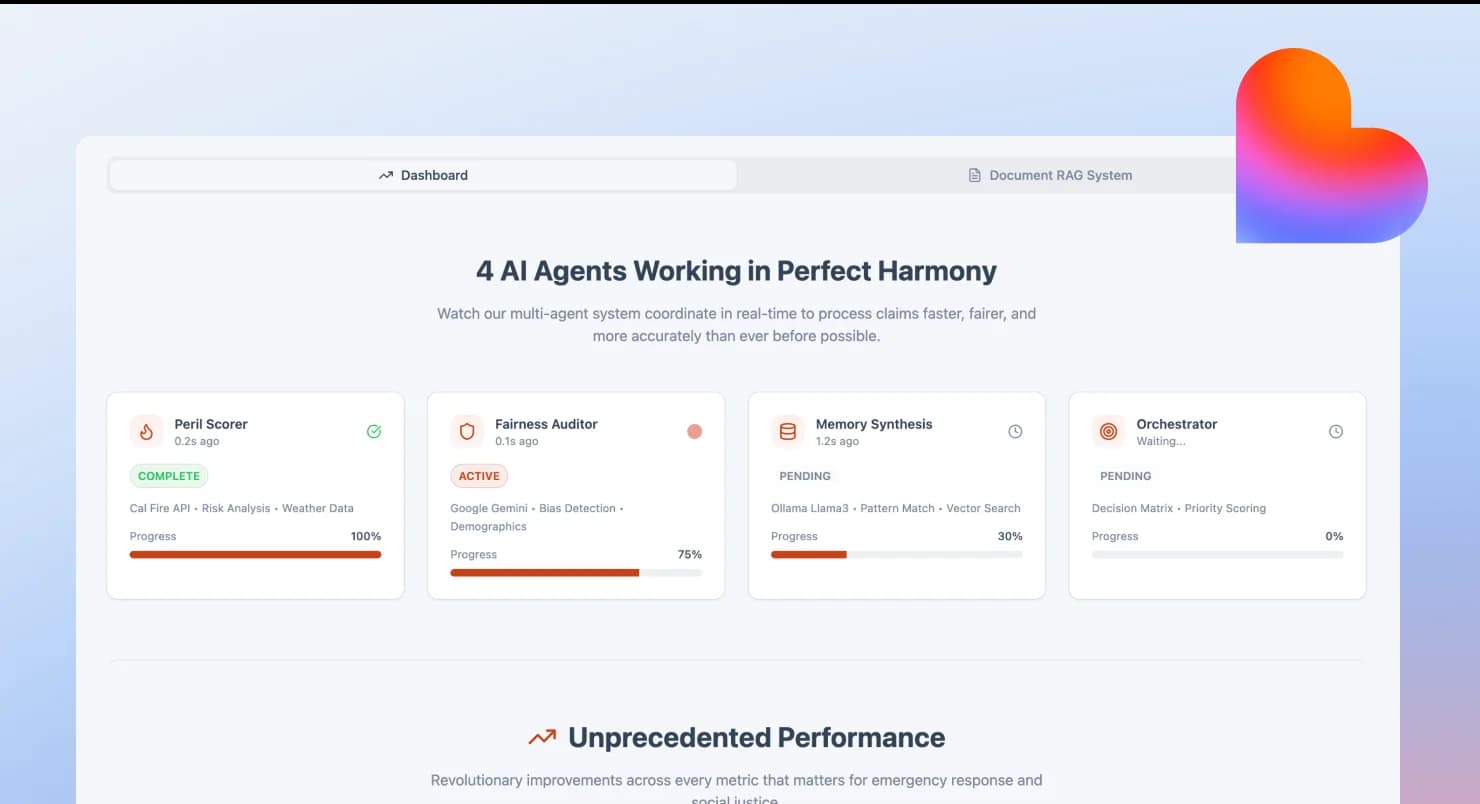
Fire Fairness
Shalini Ananda
What it solves
Insurance claims and disaster-risk decisions can scatter fire data, satellite imagery, and bias questions across separate tools, making the basis hard for legal or business teams to review. Fire Fairness Pilot tries to organize those signals into an inspectable aid.
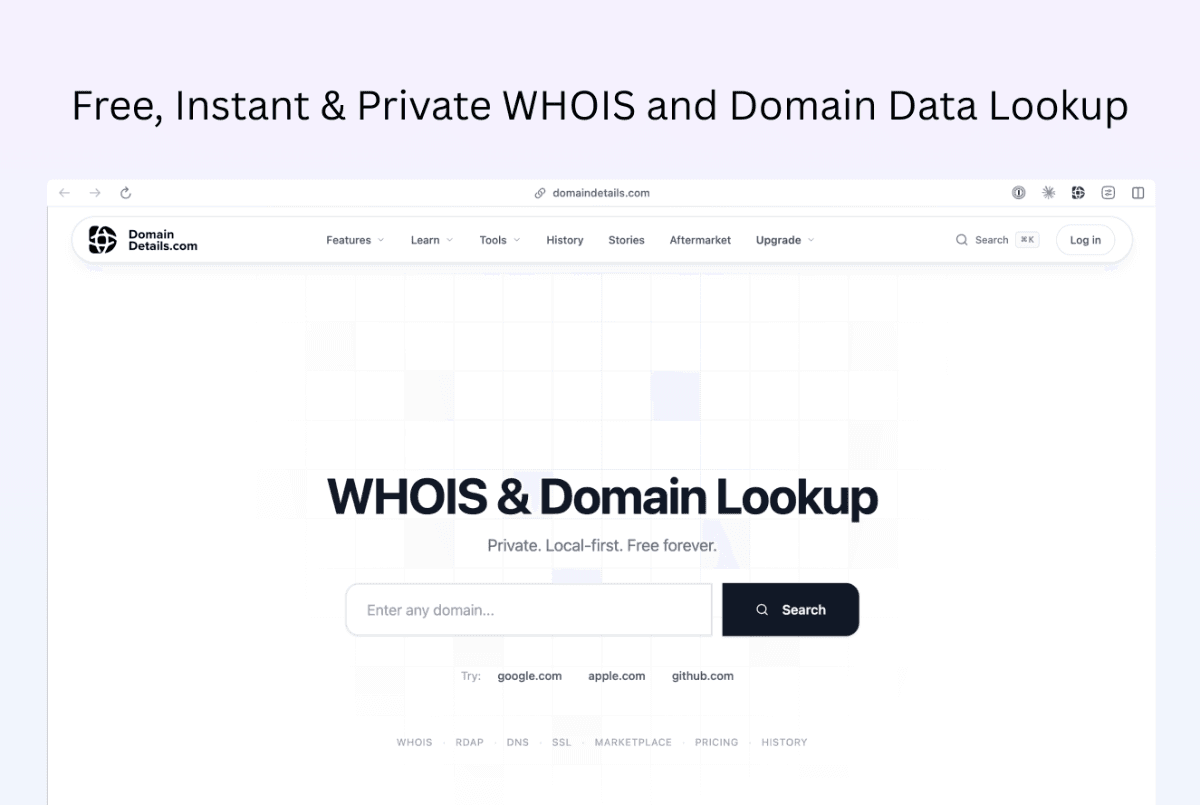
Domain Details
Uneed publisher julianengel / Julian Engel and Simple Bytes
What it solves
Domain research often means moving among registries, WHOIS/RDAP, DNS, certificates, Wayback, registrar pricing, and several aftermarket venues. Domain Details reduces that fragmentation with a shared search, browser-local history, bulk entry points, and monitoring alerts.
02 / WHAT STANDS OUT
Three product decisions worth noticing
Make privacy architectural
For sensitive forms, collecting less is stronger than writing more promises; prove that the core workflow can stay on-device.
Change the input, preserve the artifact
Users do not need to endure the original PDF interface, but the final artifact should remain compatible with the receiving institution instead of creating another closed format.
Let professional workflows fund public access
Charging for complex collaboration and institutional customization can keep the core consumer tool free without turning sensitive data into the business model.
Product insight worth carrying forward
Separate sensitive workflows into local answer storage, clearer guided questions, and an institution-compatible output; never let the product cross into professional judgment it cannot support.
03 / DO NOT COPY
What not to copy
04 / LIMITS & RISKS
Limits and risks
This is not legal advice. Form versions, filing requirements, and policy change, so users must verify against USCIS or the relevant authority. Browser-local storage is not absolute security on shared, backed-up, or lost devices. The maker-authored technical article strengthens public evidence for the mechanism, but it is not an independent runtime test, security audit, or guarantee that a final PDF is correct; privacy and usage claims also remain unaudited.
Compared with alternatives
Compared with raw government PDFs it offers guided steps, autosave, and validation; compared with paid tools that require accounts or uploads it reduces data custody. The tradeoff is device-bound state and a continuing obligation to track official form changes.
05 / EVIDENCE
Visual evidence
06 / SOURCE
Source and verification
- Original author
- Junaid
- Country / region
- Global / U.S. immigration
- Maturity
- Live
- Confidence
- Partial
- Discovered
- 2026-07-18
- Last verified
- 2026-07-21
What this review checked
The initial review covered the public site, form catalog, maker story, and privacy policy without entering personal information; the demo stopped at bot verification. On July 21, 2026, the maker supplied a technical article published in November 2025 and updated in December, including code and process details for local storage, validation, field mapping, PDF generation, and signature embedding. The final-PDF mechanism now has first-party technical evidence, but we still did not complete a real form, download its result, or audit browser network behavior.
Latest change
Added the maker-supplied technical article and implementation walkthrough; clarified that partial verification covers public sources and documented mechanics, while a real form, final PDF, and runtime behavior remain independently untested.
Ready to explore further?
Open the product, or return to the original source to verify the details.
ONE-TAP FEEDBACK
Did this profile help you judge the product?
One tap. No writing required.